Food waste is a pressing global issue. Millions of tons of food go to waste every year, contributing to environmental problems. Addressing this crisis requires impactful solutions. One effective method is understanding how to avoid food waste through better storage. Proper food storage can significantly extend the freshness of perishables.
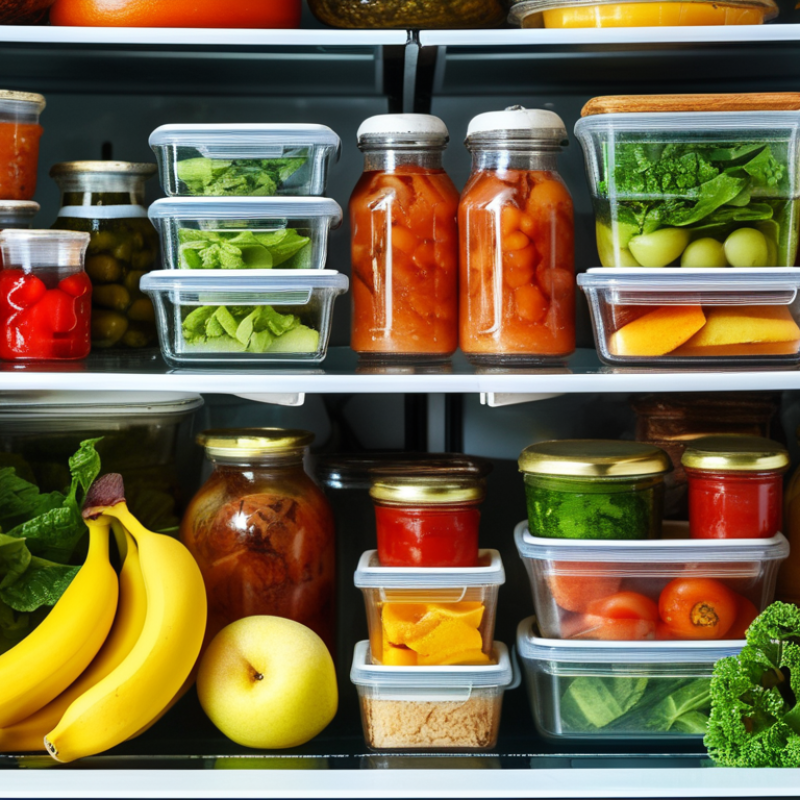
Consider the way you store fruits and vegetables. Some items spoil quickly when placed together. For instance, bananas emit ethylene gas, which can ripen nearby produce too fast. Also, improper fridge organization can lead to forgotten items. You might find yourself tossing out items you didn't realize were there.
Implementing better storage strategies is not just about convenience. It's about making conscious choices to minimize waste. Each small step matters, from using airtight containers to labeling leftovers. This awareness can foster a culture of sustainability. Reflecting on our habits is essential. By reevaluating how we store food, we can play a vital role in reducing waste.
Food waste is a pressing global issue, impacting both the environment and economies. According to the Food and Agriculture Organization, approximately one-third of food produced worldwide is wasted. This translates to about 1.3 billion tons annually. The environmental toll is staggering; food waste is responsible for nearly 8-10% of global greenhouse gas emissions. When food decomposes in landfills, it generates methane, a potent greenhouse gas that is significantly more harmful than CO2.
The implications extend beyond just emissions. In the U.S., for instance, the energy cost of food waste is equivalent to the output of about 30 million homes. This raises concerns about energy efficiency and resource allocation. A significant amount of water used in agriculture is wasted along with the food, leading to water scarcity issues in many regions. On average, producing one pound of beef requires over 1,800 gallons of water. It raises questions about sustainability and responsible consumption.
Improving food storage solutions can directly reduce waste. Proper storage keeps food fresh longer, minimizing spoilage. Techniques like vacuum sealing and controlled temperature environments can drastically cut down food waste. Despite this knowledge, many households continue to throw away expired items without a second thought. A shift in mindset towards valuing food is essential. Each meal wasted is not just an economic loss but also a missed opportunity to foster environmental stewardship.
| Storage Solution | Effectiveness (% Reduction in Waste) | Recommended Duration (Days) | Common Items |
|---|---|---|---|
| Air-tight Containers | 30% | 7-10 | Grains, Pasta, Nuts |
| Vacuum Sealing | 50% | 10-30 | Meats, Vegetables |
| Refrigerated Storage | 20% | 3-7 | Dairy, Fresh Produce |
| Freezing | 70% | 6-12 | Soups, Sauces, Leftovers |
| Properly Sealed Jars | 25% | 3-6 | Fruits, Pickles |
: About 30-40% of the food supply goes uneaten, according to USDA estimates.
Many do not store foods correctly, leading to quicker spoilage, like apples affecting nearby vegetables.
Overbuying is common. Roughly 50% of food waste comes from purchasing too much food.
Planning meals can prevent impulse buying and ensure better use of groceries throughout the week.
Use airtight containers for perishables. Check pantry and fridge regularly for items near expiration.
Fruits release ethylene gas, which can spoil vegetables faster. Keeping them apart enhances freshness.
Light and moisture can lead to spoilage and pests, so proper storage extends shelf life.
Clear containers and visible labels help track items. Organizing by expiration dates prevents waste.
Regular checks and labeling leftovers with dates can help minimize waste and remind you to use them.
Consider your buying habits. Adjust your shopping list to buy only what you can realistically eat.
Food waste poses a significant threat to the environment, contributing to pollution and resource depletion. To address this issue, it is essential to understand the common causes of food waste in households, such as improper storage and organization. By learning how to avoid food waste through better storage solutions, individuals can extend the shelf life of their food and reduce waste significantly.
Effective food storage methods play a crucial role in food preservation. Organizing your pantry and fridge thoughtfully can help ensure that food is stored in optimal conditions. Additionally, proper food labeling and practicing rotation techniques will further minimize waste by ensuring that older items are used first. By implementing these strategies, households can significantly reduce the amount of food that goes to waste, contributing to a more sustainable environment.

 NIXA Storage