Decluttering kitchen countertops can seem overwhelming. However, expert organization consultant Marie Kondo emphasizes, "The key to keeping your kitchen tidy is to minimize." Focusing on how to declutter kitchen countertops quickly can save you time and promote a serene cooking space.
The kitchen is often the heart of the home. When clutter builds up, it can hinder your enjoyment and efficiency. Consider the practical advice from professionals who know the industry well. For instance, they suggest starting with items that don't belong on the countertop. A single bowl for keys or a drawer for junk can make a significant difference.
Embrace the simple act of letting go. Perhaps, some of your gadgets never see the light of day. Assessing what you need might be an uncomfortable process. Yet, removing excess can lead to a more functional kitchen. By adopting quick decluttering strategies, you’ll find yourself enjoying a cleaner, more inviting space every day.
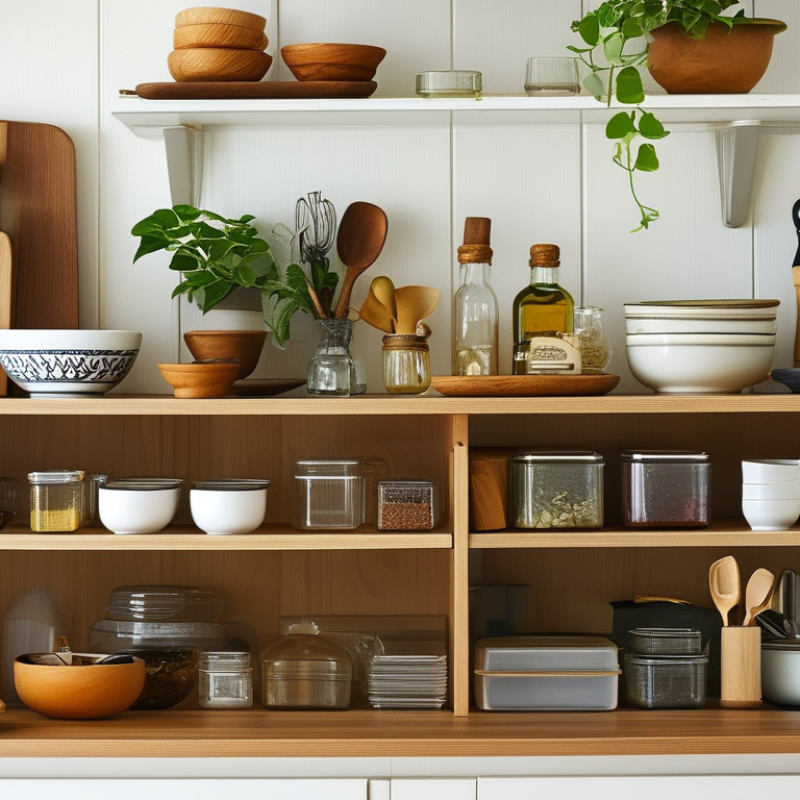
Assessing your kitchen countertop clutter level starts with a quick inspection. Look around your space. Is it overwhelming? Too many items may indicate a need for change. Begin with a mental note of what you really use daily.
One tip is to categorize items. Group gadgets, utensils, and decor separately. This will give you clarity on necessary versus unnecessary items. For example, if a blender sits idle for weeks, consider its utility. Focus on essentials to create an organized layout.
Another approach is to set a time limit. Challenge yourself to declutter within 10 minutes. You may discover hidden spaces. This quick method helps you prioritize and remove distractions. Remember, perfection isn’t the goal. Embrace the progress, however small. Adjust your strategy based on what feels right for your kitchen.
When decluttering kitchen countertops, it’s essential to identify what truly belongs there. A study by the National Kitchen and Bath Association reveals that 55% of homeowners keep non-essential items on their countertops. This clutter can hinder efficiency and create a chaotic cooking environment. Knowing the difference between essential and non-essential items is crucial for an organized space.
Essential items typically include tools you use daily, like cutting boards and utensils. Space should be reserved for appliances frequently utilized, such as toasters or coffee makers. Non-essential items—decorative objects, unused gadgets—often find their way onto countertops. They create visual noise. According to a survey from the American Cleaning Institute, 70% of people feel stress from kitchen clutter. Addressing non-essentials can greatly enhance your cooking experience.
Consider the “one-touch” rule. If an item hasn't been used in a month, it’s likely non-essential. Voiding the emotional ties to certain items can be difficult. Products accumulated over time can hold sentimental value. However, letting go can lead to a more functional kitchen. A cleaner workspace can transform your cooking routine, making it more enjoyable and efficient. Reflect on what you really need.
Creating organized zones in your kitchen can significantly impact your efficiency. Research indicates that nearly 75% of homeowners face challenges with kitchen clutter. When you designate specific areas for each type of activity—like cooking, prepping, and cleaning—you enhance productivity and reduce stress.
To establish these zones, consider your current habits. Place frequently used items within easy reach, such as pots near the stove. Assign a space for cutlery and chopping boards close to your prep area. The National Kitchen and Bath Association (NKBA) suggests that such organization can save up to 30% of time spent cooking. However, maintaining these zones requires ongoing reflection. Items tend to accumulate in unintended areas, leading to chaos.
Zone organization isn’t always flawless. You might find that certain tools don’t fit well into your system. Or, you may realize that some items aren't used as often as you think. Regularly evaluate your setup. Embrace adjustments as needed. The aim is to cultivate a space that feels functional and inviting, driving you to create rather than merely clear space.
Kitchen countertops often become cluttered quickly. To tackle this, implement quick cleaning routines. Start with a daily five-minute tidy-up. Set a timer and clear away items that don’t belong. This small effort prevents accumulation.
Next, focus on a weekly deep clean. Wipe surfaces with a gentle cleaner. Organize items by category. Keep frequently used tools within reach. Items that are seldom used can be stored away. A decluttered space makes cooking more enjoyable.
Consider creating designated spots for essential items. Use trays or baskets to corral smaller tools. This helps minimize chaos and offers a visually appealing look. Remember, perfection isn’t the goal. It’s about creating a functional and welcoming kitchen. Regular reflection on what you use can also make a big difference.
| Tip Number | Tip Name | Description | Estimated Time |
|---|---|---|---|
| 1 | Create a Designated Spot | Assign a specific place for all kitchen items. | 5 minutes |
| 2 | Use Baskets | Utilize baskets for grouping similar items. | 10 minutes |
| 3 | Daily Clean-up | Spend a few minutes each day tidying up. | 5 minutes |
| 4 | Declutter During Cooking | Clean surfaces as you cook to avoid mess. | Variable |
| 5 | Limit Countertop Appliances | Only keep essential appliances out. | 10 minutes |
| 6 | Clear Clutter Regularly | Schedule weekly decluttering sessions. | 15 minutes |
| 7 | Use Vertical Space | Install shelves to free up countertops. | 30 minutes |
| 8 | Wipe Down Surfaces | Keep a cleaning cloth handy for quick wipe-downs. | 2 minutes |
| 9 | Involve Family | Encourage everyone to help keep the area tidy. | 10 minutes |
| 10 | Make it a Habit | Develop a routine to maintain a clutter-free kitchen. | Ongoing |
Establishing maintenance habits can significantly reduce kitchen countertop clutter. A daily habit of cleaning up after cooking is essential. After each meal, take a few minutes to wipe down surfaces. This simple act can prevent build-up over time. It's about making tidying an automatic part of your routine.
Another effective habit is to have designated places for items. Store frequently used appliances in a cabinet rather than on the counter. This keeps surfaces clear. Use drawer organizers for utensils and gadgets. You'll find things easier and quicker when everything has its place. Yet, it's easy to forget to put items back where they belong. Reflecting on this can encourage better habits.
Set a weekly mini decluttering session to assess what truly belongs on the counter. You may find that some items should be relocated. It’s alright to feel overwhelmed sometimes. The key is to acknowledge these feelings and create a plan. Remember, clutter may return, but your commitment to maintaining a clear space will always make a difference.
: Start with a quick inspection. Look around and note overwhelming areas. Recognize what you use daily.
Categorize items. Group gadgets, utensils, and decor. This helps identify necessary versus unnecessary items.
Focus on essentials. If an item, like a blender, hasn’t been used in weeks, consider its value.
Challenge yourself to clear clutter in 10 minutes. You might discover hidden spaces and prioritize better.
They are specific areas for cooking, prepping, and cleaning. This reduces stress and improves productivity.
Regularly evaluate your setup. Items can accumulate in the wrong places, requiring adjustments to your organization.
Reflect on usage and adjust your zones. Not every tool may work perfectly in your planned layout.
It can save time and enhance your cooking experience. The aim is to create an inviting cooking space.
Perfection isn’t the goal. Embrace progress, even if it's small. Adjust as necessary to improve functionality.
Make it a habit to review your organization. Regular check-ins keep your kitchen efficient and enjoyable.
In "10 Best Tips to Declutter Kitchen Countertops Quickly," the article provides practical strategies for achieving a cleaner and more organized kitchen space. It starts with assessing your current level of countertop clutter, helping you understand the extent of the problem. The next step is to identify essential items versus non-essential items, allowing you to make informed decisions about what to keep and what to remove.
Creating designated zones for storage and usage can greatly enhance organization, making your kitchen more functional. The article also emphasizes the importance of quick cleaning routines, encouraging regular habits that ensure your countertops remain clutter-free. Finally, establishing maintenance practices helps prevent new clutter from accumulating, ensuring lasting results. This comprehensive approach effectively teaches how to declutter kitchen countertops quickly, transforming your cooking space into a more enjoyable area.

NIXA Storage