When considering what is the best way to store dry food at home, several factors come into play. Proper storage can significantly extend the freshness and safety of your food supplies. Many people think bins are sufficient, but this isn’t always true.
Choosing the right containers is key. Airtight options can prevent moisture and pests. Glass, metal, or thick plastic usually works best. Temperature is also crucial. Store dry foods in a cool, dark place. This helps to maintain flavor and nutrients.
People often overlook the importance of labeling. Marking containers with dates can aid in using the oldest items first. Yet, many still forget to regularly check their supplies. Life gets busy, and this can lead to wasted food. Reflecting on our habits can improve how we manage our kitchen. Proper food storage is not just a task; it’s a skill worth mastering.
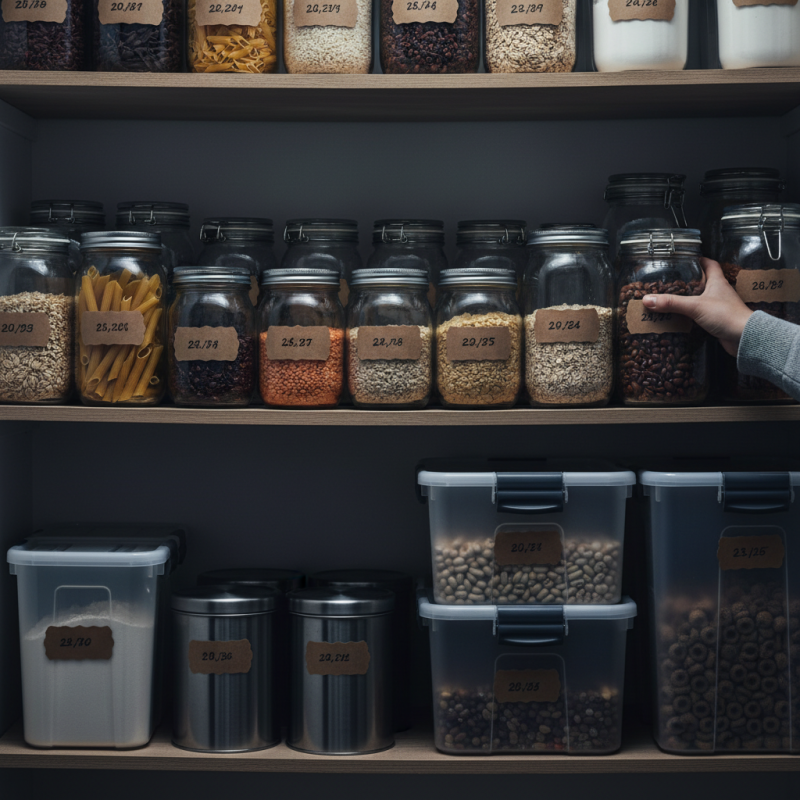
When it comes to storing dry food at home, different types require specific conditions. Grains like rice and oats thrive in dry, cool places. Keeping them in airtight containers helps prevent moisture. A clear labeling system can avoid confusion later on. Additionally, using food-grade plastic or glass ensures safety and longevity for these staples.
Beans and legumes also need proper storage. They should be kept in a dark area to preserve their nutrients. Using vacuum-sealed bags can extend their shelf life even further. On the other hand, dried fruits and nuts prefer a slightly cooler environment. A pantry is ideal, but refrigeration can be beneficial for longer storage.
It’s common to overlook some details. Not checking expiration dates often leads to waste. Assessing the storage environment periodically is valuable. You may find pests or signs of spoilage without regular checks. Storing dry food might seem simple, but small oversights can lead to big issues. Awareness and attention to the specifics can drastically improve food preservation.
When selecting containers for dry food storage, consider both functionality and material. Airtight containers are essential for keeping moisture out and preserving freshness. Glass jars work well for grains and pasta because they do not absorb odors. Plastic containers are lightweight and often come with stackable designs, making them space-efficient. However, some plastics can retain smells over time, so choose high-quality options.
Labels can simplify your storage process. You can use clear labels to identify contents easily. This practice helps avoid confusion, especially in a busy kitchen. Some people overlook the importance of organization. Without a system, finding ingredients can become frustrating. Natural fibers and materials can add an attractive touch, but they may not always keep food as fresh as modern materials.
Lastly, think about the size. Overly large containers may lead to wasted space if you're storing smaller quantities. Conversely, tiny containers can be inconvenient if you frequently use particular items. Adjust your container choice to your cooking habits. It’s not always perfect; you might find certain foods don’t sit well in your chosen containers. Reflect on what truly works for your lifestyle and adjust accordingly.
| Container Type | Material | Best For | Airtight | Stackable |
|---|---|---|---|---|
| Airtight Containers | Plastic or Glass | Flour, Sugar, Rice | Yes | Yes |
| Mason Jars | Glass | Pasta, Nuts | Yes | No |
| Food Safe Buckets | Plastic | Bulk Grains, Beans | Yes | Yes |
| Vacuum Sealed Bags | Plastic | Freeze-Dried Foods | Yes | No |
| Tin Cans | Metal | Dried Fruits, Snacks | Yes | Yes |
Storing dry food properly at home is crucial. The right temperature and humidity significantly impact food quality. Most dry foods thrive in a cool, dry environment. Ideal temperatures range from 50°F to 70°F. Higher temperatures can lead to spoilage and rancidity.
Humidity levels are just as important. Maintaining humidity below 60% helps prevent mold and insect infestations. Use airtight containers to further protect your food. Clear labels on containers can also boost organization. Accessing your food should be easy and efficient.
Yet, many overlook storage conditions. Some may store food in warm kitchens or damp basements. The consequences can be costly, with wasted food and nutrients. This highlights the need for mindful storage practices. Regularly check your food for signs of spoilage. A little vigilance goes a long way in preserving your dry goods.
Effective labeling and organizing of stored dry foods can significantly enhance food safety and accessibility. According to the Food Safety and Inspection Service, nearly 48 million people get sick from foodborne illnesses each year in the United States. Proper labeling can reduce confusion about expiration dates and product types, ensuring that your food stays safe and fresh longer.
When organizing your pantry, consider using clear containers. This allows you to easily identify contents and reduces the temptation to buy duplicates. A study from the Food Marketing Institute shows that consumers throw away $218 billion worth of food each year, partly due to mismanagement of food storage. Group similar items together, such as grains, legumes, and pastas, to create a structured layout. Don’t forget to label everything with the date of purchase and expiration.
Leaving outdated food in your pantry is a common pitfall. Regularly checking your supplies helps prevent waste and ensures freshness. Even with great care, you may still underestimate how quickly food can spoil. Evaluate your storage habits periodically. This reflection can help you adjust to changing needs and avoid clutter. Inadequate organization can lead to forgotten products, ultimately resulting in wasted money and food. Aim for clarity and convenience to make your kitchen a space that promotes health and minimizes waste.
Storing dry food properly is crucial for maintaining freshness. Spoiled dry food can lead to health risks. Signs of spoilage include changes in color, texture, or smell. For example, rice may develop a musty odor if it's gone bad. Similarly, flour can become clumpy and hard. These signs indicate that it's time to discard the food. Data indicates that nearly 40% of dry foods go to waste due to improper storage.
Tips for storage: Use airtight containers to keep moisture out. Glass or plastic containers work best. Keep a cool, dark place for storage. High temperatures and sunlight can lead to spoilage. Regularly check your supplies. If a food item has an off smell or unusual appearance, it’s safer to dispose of it.
Sometimes, even food with a good appearance can be spoiled. Mold can be hidden and not easily noticeable. In fact, the USDA notes that mold can produce harmful mycotoxins. Always be cautious. Stay informed about shelf life. For example, grains can last up to a year, but spices have a shorter shelf life. Keep an eye on expiration dates, and trust your instincts on food safety.
: Store grains in a dry, cool place. Use airtight containers to prevent moisture exposure.
Keep beans and legumes in a dark area. Consider using vacuum-sealed bags for longer storage.
Regularly check for signs of spoilage. Discard any infested items promptly to avoid health risks.
Maintain a temperature between 50°F to 70°F. Avoid warm or overly humid environments.
Humidity above 60% can lead to mold and insect problems. Keep your storage area dry for best results.
Watch for changes in color, texture, or smell. If food seems off, it’s safer to discard it.
Improper storage can lead to waste and health risks. Mindfulness in storage helps preserve quality.
These should be kept in a cool pantry. Refrigeration can help extend their freshness even more.
Many overlook checking expiration dates. Regular assessments can prevent unexpected spoilage.
Yes, mold can be hidden. Trust your instincts and check for any unusual signs, even in good-looking food.
When considering what is the best way to store dry food at home, it's essential to understand the various types of dry foods and their specific storage requirements. Choosing the right containers is crucial; options like airtight glass or plastic containers can help preserve freshness and prevent contamination. Maintaining optimal temperature and humidity levels—cool and dry environments—ensures that the food remains safe for consumption over time.
Additionally, implementing best practices for labeling and organizing stored foods aids in easy identification and maximizes efficiency. Regularly checking for signs of spoilage, such as off odors or discoloration, is vital to determine when to discard dry food. By following these guidelines, you can effectively prolong the shelf life of your dry food and maintain a well-organized pantry at home.

NIXA Storage