Keeping your kitchen clean is vital for a healthy home. However, cluttered cleaning supplies can make this task overwhelming. Understanding how to keep kitchen cleaning supplies organized is essential for efficiency and ease. A disorganized cabinet or countertop can lead to misplaced bottles and forgotten tools.
To achieve a streamlined kitchen, you must assess your tools and products. Not all supplies are necessary. Consider recycling or donating items you rarely use. This reflection can not only declutter but also enhance your workflow. Utilize baskets or containers to categorize items. Labels can also bring clarity. Each product should have a designated space to call home.
Yet, organization is an ongoing process. Life gets busy, and cleaning supplies can easily become chaotic again. Regularly revisiting your system is crucial. Minor adjustments and re-evaluations can keep your kitchen efficient without the burden of excess. Embrace the journey to a well-organized kitchen and enjoy the benefits of a tidy cleaning space.
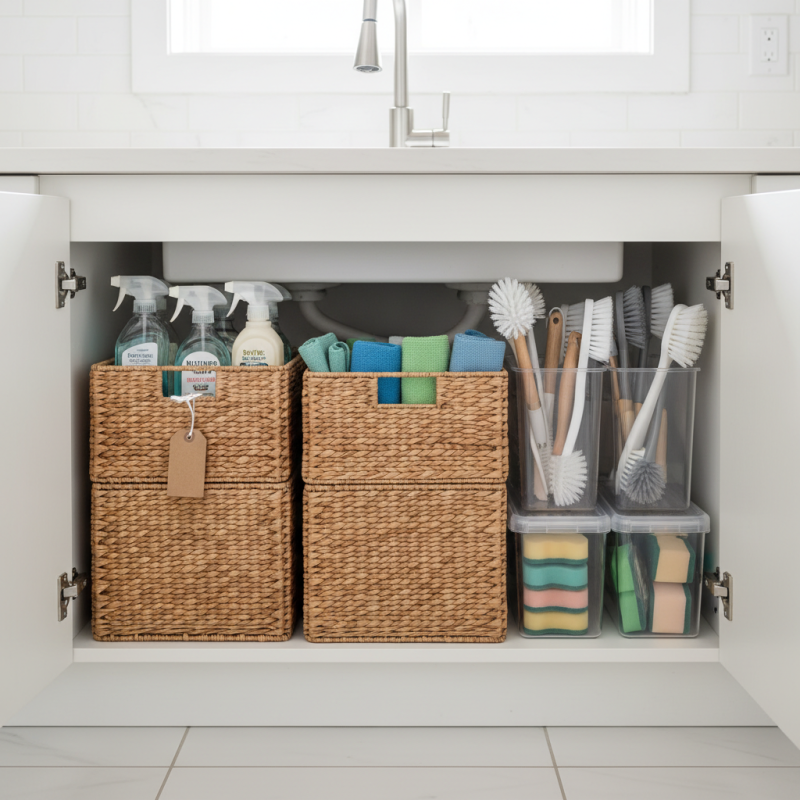
Assessing your kitchen cleaning supply needs is essential for maintaining an organized space. Start by evaluating the surfaces you clean most often. Consider different materials like wood, stainless steel, and ceramic. Each surface may require specific products. List out what you currently have and identify duplicates or items that rarely get used.
Think about the frequency of your cleaning routine. Do you often cook and need supplies for grease and stains? Or do you need gentle products for quick, everyday cleaning? Keep a few essentials easily accessible, like sponges, dish soap, and surface cleaners. You might find that some products don’t perform as promised. Reflect on whether you really need them.
Storage is another critical aspect. A caddy or simple container can keep items together. Avoid overcrowding shelves or cabinets. Ensure you have enough space to add new products as needed. Developing an organized system requires ongoing adjustments. Over time, reassess your inventory and adapt to your cleaning habits. A tidy kitchen starts with knowing what you truly need.
Storing cleaning supplies can be a challenge in many kitchens. One effective solution is to use clear containers. They allow you to see what you have at a glance. Labeling these containers can also help identify their contents quickly. This approach minimizes the time spent searching for specific items.
Shelving units can work wonders too. Consider adding shelves in unused corners or above your countertops. This can free up valuable space. You might need to adjust the height of the shelves for accessibility. An organized layout can make a significant difference. You might find that not all supplies need to be readily accessible. Some items can stay out of sight but within reach.
Pegboards offer another creative solution. They can hold spray bottles, cloths, and brushes in an organized manner. This keeps items visible yet tidy. Remember, an organized space might not happen overnight. It requires patience and regular maintenance. Over time, you’ll discover which solutions work best for your kitchen. Expect a few adjustments as your needs change.
Keeping kitchen cleaning supplies organized is essential for an efficient home. When managed properly, these supplies can enhance productivity and reduce clutter. Organizing by category is an effective strategy. Break down your cleaning supplies into three main groups: tools, chemicals, and accessories.
Tools include brooms, mops, and scrubbers. According to a survey by the American Cleaning Institute, nearly 75% of households own at least two different types of cleaning tools. Storing these tools in a designated area can save time and space. Use hooks or caddies to keep them accessible. Keeping frequently used items within arm’s reach can dramatically improve your cleaning routine.
Chemicals should always be stored safely and separately. The National Safety Council recommends securing cleaning chemicals out of reach of children. Clearly label containers and avoid mixing different products to prevent dangerous reactions. Accessories like microfiber cloths and sponges, though often overlooked, are just as important. A tidy space for these items can streamline your cleaning process. Regularly check for worn-out or expired supplies to maintain both efficiency and safety in your cleaning routine. Remember, an organized kitchen is not just visually pleasing; it encourages a proactive cleaning approach.
| Category | Item | Purpose | Storage Location |
|---|---|---|---|
| Tools | Sponges | Scrubbing surfaces | Under sink cabinet |
| Tools | Microfiber Cloths | Dusting and drying | Drawer |
| Chemicals | All-purpose Cleaner | Cleaning various surfaces | Under sink cabinet |
| Chemicals | Dish Soap | Washing dishes | On the countertop |
| Accessories | Trash Bags | Collecting waste | Under sink cabinet |
| Accessories | Broom and Dustpan | Sweeping floors | Closet or Utility Room |
Maintaining an organized collection of kitchen cleaning supplies is crucial for effective household management. Research from the American Cleaning Institute indicates that 80% of households use a variety of cleaning products, underscoring the importance of an efficient organization system. A maintenance routine could consist of regular checks every month. By assessing what supplies you have, you can avoid duplicates and expired products, which often clutter cabinets.
Consider creating clearly labeled bins or drawers for different categories. For example, designate a space for heavy-duty cleaners and another for everyday supplies. Experts suggest that visual organization aids in the speed and efficiency of cleaning tasks. When supplies are easily accessible, the motivation to clean increases. However, finding the right balance can be challenging, as many people struggle with overbuying.
Tracking your inventory can help. Use a simple checklist to note supplies running low or items nearing expiration. A study by the National Cleaning Association reported that 65% of individuals feel overwhelmed by clutter. Thus, establishing a routine not only brings order but also increases the mental clarity needed for home management. Reflect regularly on your cleaning habits to continuously improve your supply organization and maintenance strategy.
Keeping your kitchen cleaning supplies organized can greatly enhance efficiency and cleanliness. Start by designating a specific area for these items. Use sturdy containers or bins to categorize supplies. For instance, keep all spray cleaners in one bin and sponges in another. Label these containers for easy identification. This way, you’ll find what you need quickly, reducing clutter.
Regularly assess your supplies. Expired products or items you rarely use can be removed. It’s also helpful to rotate newer supplies to the front. This encourages using older items first. A tidy storage area reflects a well-maintained kitchen. Sometimes, it’s easy to let mess build up. Take time each week to tidy this space. Small moments of reflection can make a big difference in how your cleaning routine feels.
This chart displays the common types of kitchen cleaning supplies and their levels of organization at home. The data illustrates how well various supplies are organized in terms of accessibility and neatness.
: Start by evaluating the surfaces you clean often. Consider materials like wood and stainless steel.
List current supplies, noting duplicates or rarely used items. Keep essentials like sponges and dish soap available.
Regularly assess your inventory to adapt to changing cleaning habits and needs.
Use clear containers for visibility and label them for quick identification. Shelving units and pegboards are useful too.
Designate a specific area for cleaning supplies. Categorize items in bins and label them for easy access.
Regularly remove expired items. This helps maintain an organized and efficient cleaning supply area.
Keep all supplies organized and assess your needs frequently to avoid clutter and duplicates.
Accessible supplies reduce search time and promote a more efficient cleaning routine.
Be open to reassessing your setup and try new methods that work better over time.
Take small moments each week to tidy up. Reflection on organization can lead to better maintenance habits.
Keeping your kitchen cleaning supplies organized is essential for maintaining a tidy and efficient cooking space. To begin with, assess your kitchen cleaning supply needs by determining what tools, chemicals, and accessories you require to effectively clean your kitchen. Once you have a clear understanding of your supplies, choose suitable storage solutions tailored to your kitchen's layout, such as cabinets, drawers, or caddies.
Organizing your supplies by category—tools for scrubbing, chemical cleaners, and additional accessories—will help streamline your cleaning routine. Establishing a regular maintenance schedule for your supplies ensures they remain easy to access and well-maintained. Finally, incorporating tips for keeping your storage area neat will allow you to quickly locate what you need, ultimately enhancing the efficiency of your cleaning efforts. This comprehensive approach answers how to keep kitchen cleaning supplies organized, making kitchen upkeep more manageable.

NIXA Storage