How to Organize a Small Kitchen Efficiently for Maximum Space

Time:2026-04-13 Author:Isabella
0%

A small kitchen can often feel cramped and overwhelming. However, learning how to organize a small kitchen efficiently can transform it into a functional space. With smart organization and planning, even the tiniest kitchens can become havens for culinary creativity.

Start by assessing your current kitchen layout. Identify underutilized areas, like the backs of cabinet doors or corners. These often-overlooked spots hold potential for storage solutions. Implementing shelves and hooks can maximize vertical space. Use clear containers to hold frequently used ingredients, making them easy to access.

It’s essential to declutter regularly. Keep only what you use regularly. Old appliances and duplicate utensils take up valuable real estate. Reflect on your cooking habits. This helps in understanding what to keep and what to let go. Sometimes, a minimal approach is necessary. Simplifying your kitchen can create a more enjoyable cooking experience. Overall, learning how to organize a small kitchen efficiently makes a significant difference.
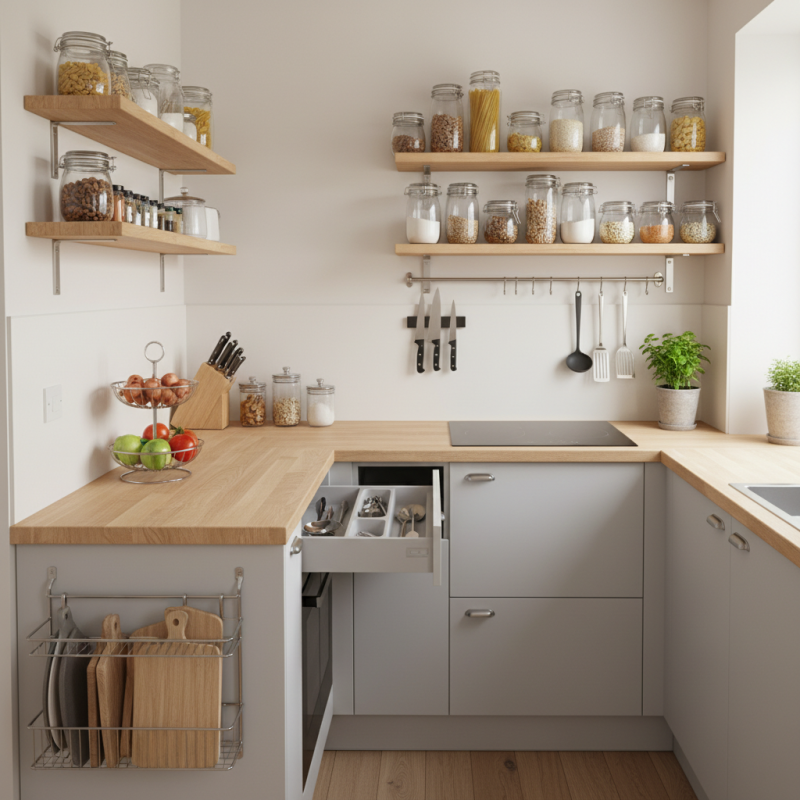
How to Organize a Small Kitchen Efficiently for Maximum Space

Assessing Your Small Kitchen Layout for Optimal Organization

When assessing your small kitchen layout, start by identifying underutilized spaces. According to a survey by the National Kitchen and Bath Association, 30% of homeowners feel their kitchen lacks sufficient storage. Pay attention to corners, wall space, and the area above cabinets. These often-overlooked areas can be transformed to maximize efficiency.

One effective tip is to use vertical storage solutions. Shelving can be installed above counters or alongside cabinets. This creates additional space for spices, cookbooks, or decorative items. Implementing hooks for pots and pans can also free up cabinet space. Another suggestion is to use clear bins to categorize your pantry items. This enhances visibility and encourages organization.

Consider the flow of your kitchen as well. In many small kitchens, the work triangle—the paths between the stove, sink, and refrigerator—should be clear. A cramped layout can hinder movement and accessibility. Reflect on your cooking habits and adjust the layout to suit your needs. Small changes can make a significant impact on daily efficiency.

Decluttering: Identifying Unnecessary Items in Your Kitchen

Clutter can eat up your kitchen space quickly. Start by identifying items you rarely use. Look in your cabinets and drawers for appliances or utensils gathering dust. If you haven't used an item in six months, it's time to consider letting it go. Be honest with yourself—do you really need that popcorn maker?

Next, focus on duplicates. Many people have multiple spatulas or mixing bowls. It's practical to keep a few, but excess creates clutter. Pick your favorites and donate or discard the rest. This can create a more efficient cooking experience. Make a commitment to keep only the essentials.

Lastly, consider the psychological aspects of clutter. Holding onto items may provide comfort, but it can also hinder your creativity. Assess your items regularly. Create a routine to keep your kitchen organized. Letting go can be tough, but it often leads to more space and freedom in your cooking space. Reflect on what truly adds value to your kitchen.

Maximizing Vertical Space: Shelving and Hanging Solutions

When organizing a small kitchen, maximizing vertical space can be a game-changer. Shelves placed above counters or cabinets can hold dishes, cookbooks, or even decorative items. Use adjustable shelves for flexibility. A simple wall-mounted shelf can provide a stylish solution while giving easy access to frequently used items.

Hanging solutions are another effective option. Consider installing hooks or racks near your cooking area. These can hold pots, pans, and utensils, allowing more counter space. Magnetic strips can display knives, making them easily reachable and freeing up drawer space. However, it's important to see what works for your specific kitchen layout.

Experiment with these ideas, but perfection isn’t always realistic. You might find some items are better stored elsewhere. Reflect on what is most functional for your cooking style. Make adjustments as needed. Small changes can lead to bigger improvements in overall space efficiency.

Strategic Storage: Utilizing Cabinets, Drawers, and Bins Effectively

A well-organized kitchen maximizes space and enhances efficiency. Research indicates that effective storage solutions can increase available space by up to 30%. Utilizing cabinets, drawers, and bins strategically allows for an organized workspace that reduces clutter and enhances productivity.

Cabinets often serve as the backbone of kitchen organization. Consider installing pull-out shelves, which improve accessibility. This can make it easier to reach items stored at the back. Incorporating vertical dividers in cabinets can create designated spaces for pots, pans, and baking sheets. A study from the National Kitchen and Bath Association revealed that homeowners value accessible storage; 68% express frustration over limited cabinet utility.

Drawers can be more than just simple containers. Dividers can transform chaotic drawers into organized zones for utensils, gadgets, and specialty items. This avoids digging through clutter, which wastes time. Bins are another great solution. Adjustable bins in the pantry keep similar foods together, promoting easy access. However, one must regularly evaluate the contents to avoid pantry bloat and expired items, which are common in underused spaces.

How to Organize a Small Kitchen Efficiently for Maximum Space

Item Storage Type Recommended Location Notes
Pots and Pans Cabinet Lower Cabinet Near Stove Use pot organizers to maximize space
Cutlery Drawer Top Drawer Next to Prep Area Use a divided tray to keep organized
Spices Cabinet/Bins Middle Cabinet Shelf Use a tiered organizer for easy access
Canned Goods Bin Pantry Shelf Label bins for easy identification
Baking Sheets Drawer Deep Drawer Under Oven Store vertically to save space

Creating Zones: Organizing Cooking, Prep, and Storage Areas Efficiently

Creating zones in a small kitchen maximizes efficiency. Start by defining areas for cooking, prep, and storage. According to a survey from the National Kitchen and Bath Association, 60% of homeowners report a lack of prep space in their kitchens. This number highlights the need for efficient organization.

Designate a specific countertop for meal preparation. Keep essential tools nearby. Invest in storage solutions that optimize vertical space. Consider utilizing wall-mounted shelves for pots and pans. A study by Real Simple showed that kitchens with clear zones reduce meal prep time by 30%. This can be a game-changer in busy households.

Storage zones are equally important. Use clear bins for pantry items. Label everything for easy access. Ensure frequently used items are within reach. The Journal of Kitchen & Bath Design states that 75% of homeowners struggle with cluttered cabinets. Addressing these pain points will enhance your kitchen experience. Reflect on the flow of your kitchen. It's vital to create an area that feels spacious and functional, even if it doesn’t look perfect.

FAQS

: How can I identify unnecessary items in my kitchen?

: Begin by checking items you rarely use. If it’s been six months, consider letting it go.

What should I do with duplicates in my kitchen?

Keep a few favorites but donate or discard the excess. This helps reduce clutter.

How does clutter affect my creativity?

Holding onto unnecessary items can provide comfort, but it may hinder your cooking creativity.

What is one effective way to maximize vertical space?

Use shelves above counters or cabinets. They can hold dishes, cookbooks, or decorations.

Are there any specific hanging solutions I can try?

Install hooks or racks near your cooking area for pots and utensils to save counter space.

What is the benefit of using magnetic strips in the kitchen?

They keep knives accessible while freeing up drawer space, making cooking easier.

How often should I assess my kitchen items?

Regular assessments are key. Create a routine to keep things organized and functional.

Can small changes really make a difference in my kitchen space?

Yes, small adjustments can significantly improve space efficiency and overall functionality.

Is it okay if my kitchen organization isn't perfect?

Perfection isn’t always realistic. Focus on what works best for your cooking style instead.

How can I create a more efficient cooking experience?

Commit to keeping only essential items and declutter regularly to enhance your space.

Conclusion

To learn how to organize a small kitchen efficiently, it's essential to start by assessing your kitchen layout, identifying areas that can be optimized for better flow and accessibility. Begin with decluttering by removing unnecessary items, which will create more space for essentials. Implementing vertical solutions such as shelves and hanging racks can significantly enhance storage capacity without taking up much floor space.

Additionally, focus on strategic storage by maximizing the potential of cabinets, drawers, and bins to keep everything in order. Creating distinct zones for cooking, preparation, and storage will streamline your kitchen activities, making the most out of your small space. By following these tips, you can transform your kitchen into a functional and organized area, regardless of its size.

Isabella

Isabella

Isabella is a dedicated marketing professional with a sharp focus on driving brand growth and engagement through strategic content creation. With an extensive background in digital marketing, she combines her passion for storytelling with her keen understanding of industry trends to deliver......