Organizing your pantry can drastically change how you use your kitchen space. A well-structured pantry not only saves space but also boosts efficiency. So what is the best way to organize a pantry?
Consider your cooking habits. Are you often reaching for pasta or canned goods? Place frequently used items at eye level. Group similar items together. This simple action helps you find what you need faster. Clear bins can maximize vertical space. They create a tidy look that is easy to maintain.
However, challenges arise. You may struggle with irregularly shaped items or bulk purchases. These can make it hard to maintain organization. Reassessing your pantry layout regularly is essential. It allows you to adapt when your needs change. Finding the right balance is key to creating a functional pantry that truly saves you space.
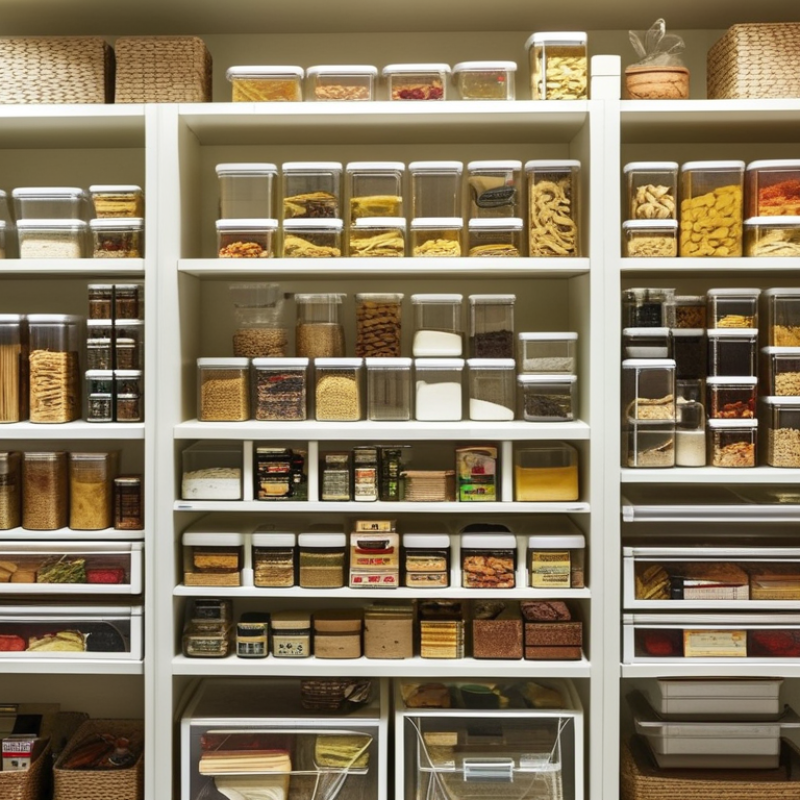
A well-organized pantry is essential for maximizing kitchen space. When you can easily find what you need, you save time and reduce stress. Think about your current pantry. Is it cluttered with items that you rarely use? Perhaps you have expired products taking up valuable space. This disorganization not only hampers efficiency but can also lead to wasted money.
Consider using clear containers. They help visualize contents and can create a uniform look. Labels can make a big difference. Labeling items allows everyone in the household to find things quickly. It encourages collaboration in the kitchen too. However, remember that perfection is elusive. Not every container will fit seamlessly. Your pantry may never look like a magazine feature. That’s okay; small changes can lead to big improvements.
Embrace the challenge of refining your pantry system. There may be areas that still feel chaotic. Regularly reevaluating your pantry helps in understanding what you truly need. Space saving is an ongoing process. It reflects your evolving cooking habits and food choices. Celebrate your progress, but also remain mindful of areas needing adjustment.
Organizing your pantry is not just about aesthetics; it’s about efficiency. Identifying essential pantry items can significantly optimize your space. Begin by categorizing your items. Store grains, canned goods, and spices together. This helps you see what you have. You might find forgotten ingredients lurking in the back. These can often inspire new meals.
Consider jarred items versus bags. Clear containers not only save space but also allow you to see contents easily. It’s easier to grab a jar than rummage through bags. Frequent visibility may reduce waste. You will notice when supplies are low. Be mindful about your buying habits. It’s better to have a few essential items than a crowded shelf.
Reflect on your usage patterns. Some items may sit unused for months. If you rarely reach for certain foods, do you really need them? Evaluate your staples. Keeping only what you regularly use frees up valuable space. It also encourages mindful cooking. Space can feel vast when it's clear and organized.
A tidy pantry can transform your cooking experience. Effective storage solutions maximize space and improve accessibility. Start by categorizing your items. For example, group canned goods, snacks, and grains together. This method saves time and keeps your pantry organized.
Use clear containers to store dry goods. Label each container to avoid confusion. Stackable bins can help utilize vertical space. However, not all solutions work perfectly. You might find that some jars don’t fit well on your shelves. Adjusting your setup may take time and careful thought.
Consider incorporating adjustable shelves. They provide flexibility as your storage needs change. Creating a designated space for frequently used items also helps. Yet, you might struggle with maintaining organization over time. Regularly reassess your pantry’s layout to ensure effectiveness. A well-organized pantry can inspire creativity in the kitchen.
Maximizing vertical space in your pantry can significantly increase efficiency. By utilizing shelves and storage bins, you can create an organized and functional area. Tall shelves allow you to store more items without taking up extra floor space. Stackable bins are a great way to store smaller items efficiently.
Tips: Consider using clear containers for ingredients. This helps you quickly identify what you have. Label each bin to save time when cooking. If you find your pantry overflowing, reflect on what you truly need. You may discover items you haven't used in months. Donate those non-essentials to clear up space.
Investing in tiered shelves can also enhance organization. These allow you to see everything at a glance. Arrange items by frequency of use for easy access. It’s essential to periodically reassess your pantry’s contents. What once seemed useful might just be taking up valuable space now.
An organized pantry can transform your kitchen space. Studies reveal that an efficient pantry organization can save up to 20% of available space. This statistic highlights the importance of thoughtful management. A cluttered pantry wastes valuable room.
To maintain a well-organized pantry, categorize items. Use clear bins for grains, snacks, and canned goods. Visibility helps reduce food waste, which the USDA reports as costing Americans about $218 billion annually. Rotation is vital; place older items in front to ensure usage.
Regularly declutter your pantry. Emptying it once every six months allows you to reassess what you have. Are there expired items hidden in the back? Keep an inventory list to track essentials. This practice not only saves space but also promotes mindful grocery shopping. It’s a simple yet effective strategy to enhance long-term pantry management.
This bar chart illustrates the percentage of space management efficiency in a well-organized pantry. Effectively managing pantry space can lead to less unused space, better accessibility, reduced food expiration, and maximized efficient space use.
: Start by categorizing items like grains, canned goods, and spices. This helps you see everything clearly.
Use clear containers to store dry goods. Labeling them can avoid confusion.
An organized pantry saves time and enhances your cooking experience. It allows for easier access to items.
No. Reflect on your usage. If items sit unused for months, consider whether you truly need them.
Clear containers allow you to see supplies easily. This helps you notice when items are running low.
Adjust your storage setup as needed. It may require some experimentation and thought.
Regularly reassess your pantry layout. This helps maintain organization and readability over time.
Yes, stackable bins can utilize vertical space effectively but may not always fit perfectly.
Focus on frequently used items. Creating designated spaces ensures easy access and encourages mindful cooking.
It's good to reflect, but also be flexible. A balance between essentials and extras can inspire creativity.
Organizing your pantry is crucial for maximizing space and efficiency in your kitchen. By understanding the importance of pantry organization, you can identify essential items that optimize space utilization. Start by implementing effective storage solutions like clear bins, labels, and shelf risers to create a tidy environment. Additionally, maximize vertical space by using stackable containers and adjustable shelves, which can significantly increase your pantry's storage capacity.
For those wondering what is the best way to organize a pantry, the key lies in maintaining this order through regular decluttering and reassessing your storage systems. By establishing a routine for inspecting and reorganizing your pantry, you ensure that it remains efficient and functional long-term. Following these strategies will lead to a well-organized pantry that not only saves space but also enhances your cooking experience.

NIXA Storage