10 Tips to Keep Spices Organized in Small Kitchens?

Time:2026-09-06 Author:Amelia
0%

Small kitchens often hide their biggest flavor problem behind a crowded cabinet. Jars tip forward, labels disappear, and duplicate cinnamon quietly occupies precious shelf space. Learning how to keep spices organized in small kitchens is not merely a visual upgrade. It can reduce searching, protect freshness, and make everyday cooking feel less interrupted.

The National Kitchen & Bath Association’s Kitchen Trends Research reports that homeowners continue to prioritize practical storage and better kitchen functionality. Houzz’s Kitchen Trends Study also highlights the demand for personalized storage solutions in renovated kitchens. These findings support a simple idea: even a narrow shelf deserves a deliberate system. A 2023 McCormick Flavor Forecast further reflects consumers’ growing interest in varied herbs, blends, and global flavors, which can quickly multiply the number of containers at home.

Professional organizer Andrew Mellen often says, “The best organizing system is the one you can maintain.” That principle matters here. A beautiful rack may fail if it requires constant rearranging. Clear labels, shallow drawers, matching containers, and an expiration check can work better than expensive equipment. Still, no method is perfect. Tall jars may block shorter ones, and handwritten labels can smudge near a steaming stove. This guide explores ten realistic approaches, including compact layouts, drawer placement, vertical storage, and simple maintenance habits. The goal is not a flawless pantry. It is a spice collection you can actually use.
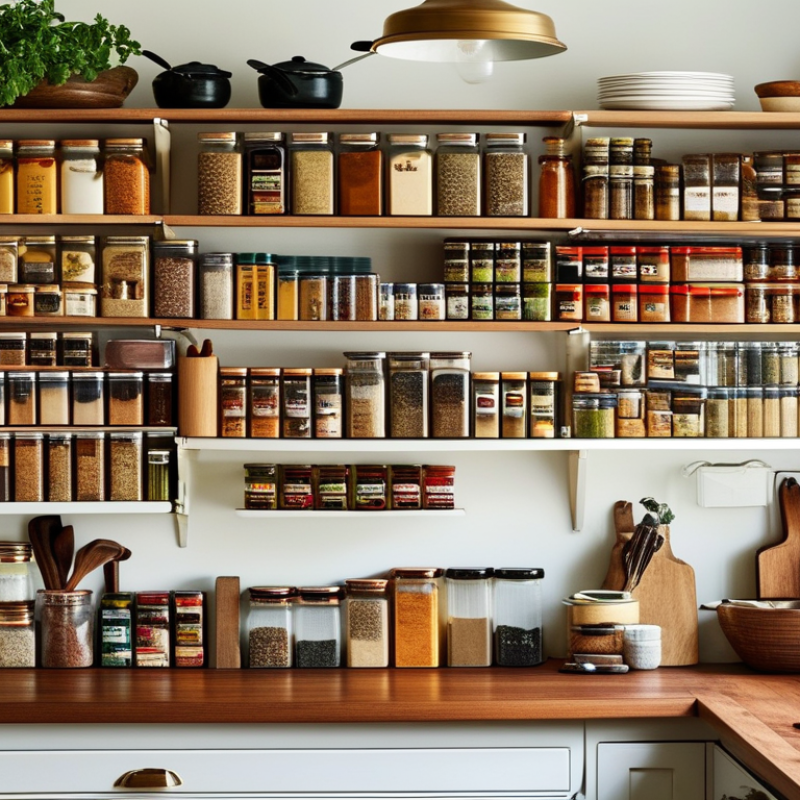
10 Tips to Keep Spices Organized in Small Kitchens?

Assess Your Kitchen Space and Spice Collection

Assessing your kitchen space and spice collection is the practical starting point for better organization. Open every cabinet and measure its height, width, and usable depth. Note awkward corners, heat sources, and areas exposed to moisture. Spices last better in a cool, dry, dark location, not beside a steaming cooker.

Tip: Gather every jar on one counter. Remove duplicates, empty containers, and spices with unclear labels. Check dates, but remember that dried spices usually lose strength gradually rather than becoming instantly unsafe. Smell a small amount and compare its color with a fresh sample when possible.

Your collection should shape the storage system. Keep everyday seasonings near your main preparation area, while occasional ingredients can occupy a higher shelf. A shallow drawer may suit short jars, but tall containers need measured clearance. Label the lids if jars stand in rows. I once bought organizers before measuring, and several centimeters were wasted. That mistake still influences my planning.

Tip: Group spices by cooking frequency, not only by type. Keep frequently used items visible and reserve a small section for experiments. Count your containers before choosing racks or trays. Leave a little empty space, because a completely full system becomes difficult to maintain. Reassess after a week; your first arrangement may look tidy but work poorly during meal preparation.

Choose Space-Saving Storage Solutions

Small kitchens need spice storage that uses height, corners, and unused wall space. After testing several layouts, I found that shallow containers work better than deep jars. They keep labels visible and prevent older spices from disappearing behind newer ones. A narrow drawer insert can hold small containers in one layer, while a wall-mounted rack frees valuable counter space. Keep it away from steam, heat, and direct sunlight to protect flavor and quality.

Tip 1: Use matching, stackable containers with clear labels. Choose square shapes when possible because they leave fewer gaps. Store frequently used spices near the cooking area, but avoid placing them beside the stove. Heat can weaken their aroma over time. A small turntable also helps in deep cabinets, although mine sometimes becomes crowded when I add new seasonings.

Tip 2: Try an inside-cabinet organizer for rarely used spices. It uses hidden space without making the kitchen feel busy. Arrange containers by cooking frequency, not only alphabetically. This saves time during meal preparation. Check dates and smells every few months, since ground spices gradually lose strength. I once kept an old jar far too long, so now I mark opening dates on removable labels. Small adjustments matter.

Group Spices for Easy Identification and Access

Grouping spices makes a small kitchen feel calmer and more usable. I learned this after wasting several minutes searching for cumin behind three half-empty jars. Keep everyday spices together, such as salt, pepper, garlic powder, and chili flakes. Place them near the main preparation area, but away from steam and direct heat.

Use separate groups for baking, dried herbs, blends, and less-used whole spices. Within each group, arrange jars alphabetically or by frequency of use. Choose one method and keep it consistent. Clear labels should face forward, with the spice name and purchase date visible. Matching containers can help, but identical jars may confuse you if labels are too small. Larger lettering works better under weak evening light.

A shallow drawer can hold spices in rows, with labels placed on the lids. A narrow shelf can keep the most-used jars at eye level. Leave a little space between groups, so one category does not become a crowded block. Check the collection every few months. Some spices lose aroma long before they look old. I sometimes keep duplicates, thinking they save time, but they usually create clutter. A simple rule helps: replace an empty jar before opening a second one. This system is not perfect. Cooking habits change, and the best arrangement may need adjustment.

Label, Arrange, and Maintain Your Spice Storage

A small kitchen needs a clear spice system, not a crowded shelf. I have found that labeling creates the biggest improvement. Take every jar out and check its name, condition, and freshness. Remove spices with a weak smell or faded color. They may not be unsafe, but their flavor is probably disappointing. Write the spice name in large, readable letters. Add the purchase month when possible. Waterproof labels help near steam and cooking splashes. A simple handwritten label is enough.

Arrange spices by cooking frequency, not alphabetically. Keep daily seasonings at the front and occasional ingredients behind them. Group them by use, such as baking, herbs, heat, and blends. Store similar containers together to prevent wasted space. A shallow riser can lift the back row into view. Avoid stacking loose jars. They fall easily, especially during hurried cooking. Leave a little empty space for new ingredients. Perfect organization is rarely practical.

Maintain the system during normal kitchen routines. Return each jar immediately after use. Wipe sticky lids before residue hardens. Check labels once a month. Move older spices forward and newer ones behind them. Keep containers away from direct sunlight, ovens, and damp sinks. Heat and moisture can reduce quality quickly. I sometimes forget this step, so a small reminder inside the cabinet helps. Review the arrangement after a few weeks. Your first layout may look neat but work poorly. Adjust it around your actual cooking habits.

10 Tips to Keep Spices Organized in Small Kitchens? - Label, Arrange, and Maintain Your Spice Storage
No. Organization Tip What to Do Recommended Storage Approach Review Schedule Main Benefit
1 Use clear, consistent labels Label each container with the spice name and, when useful, the purchase or opening month. Use waterproof labels on matching containers. When refilling Faster identification and fewer duplicates.
2 Arrange spices alphabetically Group containers from A to Z instead of arranging them by color or package size. Keep one alphabetic section in a drawer, cabinet, or shelf. After every restock Less searching during meal preparation.
3 Store spices away from heat Keep spices away from stovetops, ovens, dishwashers, and other warm areas. Choose a cool, dry cabinet or drawer. Monthly Helps preserve aroma and flavor.
4 Protect spices from light Limit direct sunlight, especially for delicate ground spices and dried herbs. Use an opaque cabinet or a drawer rather than an open windowsill. Seasonally Reduces light-related quality loss.
5 Use vertical space Add stackable shelves, tiered risers, or a narrow wall-mounted organizer. Place shorter containers in front and taller containers behind them. Every 3 months Increases capacity without using extra counter space.
6 Separate daily-use spices Keep frequently used seasonings together and place occasional-use items elsewhere. Create a small everyday section near the main food-preparation area. Monthly Makes routine cooking more efficient.
7 Group related seasonings Create categories such as herbs, baking spices, whole spices, blends, and chili products. Use separate bins or clearly marked sections inside one cabinet. After shopping Simplifies recipe preparation and restocking.
8 Keep a simple inventory Record what you have and mark items that are running low before shopping. Use a small checklist attached to the cabinet or stored digitally. Before shopping Prevents overbuying and unnecessary clutter.
9 Check freshness regularly Inspect aroma, color, texture, and any signs of moisture or contamination; replace spices that have clearly lost quality. Use the oldest suitable container first and avoid keeping containers open. Every 6 months Maintains better flavor and food quality.
10 Clean containers and storage areas Wipe spills promptly, clean shelves, and ensure containers are completely dry before refilling. Use removable trays or washable bins to contain loose powder. Every 1–3 months Improves hygiene and keeps the system easy to maintain.

Refresh Your Organization System Regularly

Small kitchens need a spice system that changes with real cooking habits. Refreshing it regularly prevents crowded shelves and forgotten jars. Every month, I remove the spices I rarely use and check their dates. I also smell ground spices before keeping them. A weak aroma usually means weak flavor. Keep everyday spices within easy reach, while seasonal ones can move higher.

Ten practical habits help: group spices by cuisine, arrange jars alphabetically, use matching containers, label every lid, and store them away from heat. Add the purchase month to each label. Place the most-used jars at eye level. Keep backups in one small basket. Wipe dusty containers during each review. Replace only what you need. Leave a little empty space.

I once stored too many jars in a deep drawer. Finding cumin became a daily nuisance. The arrangement looked tidy, but it worked poorly. Now I test the system while cooking and change it when my hands search too long. A narrow tray can hold daily essentials, but it may become cluttered quickly. Check it every two weeks. Keep a short list of low supplies on the refrigerator. Do not rely on memory. Freshness depends on storage, container quality, and time, so a perfect system may still need adjustment.

FAQS

: How should I assess my kitchen before organizing spices?

: Measure each cabinet’s height, width, and usable depth. Note corners, moisture, heat, and nearby steam. Measure before buying.

Where should spices be stored?

Choose a cool, dry, dark place. Keep containers away from cookers, sunlight, and rising steam. Heat is the enemy.

How can I decide which spices to keep?

Gather every container on one counter. Remove duplicates, empty jars, and unclear labels. Smell older spices before keeping them.

Do expired dried spices become unsafe immediately?

Usually, dried spices lose strength gradually rather than becoming instantly unsafe. Check their smell, color, and overall condition.

How should spices be arranged for daily cooking?

Keep frequently used seasonings near the main preparation area. Store occasional ingredients on higher shelves or inside cabinets.

What storage works best in a small kitchen?

Use shallow drawers, narrow inserts, stackable containers, or wall space. Square containers usually leave fewer gaps.

Should spices be arranged alphabetically?

Not necessarily. Arrange them by cooking frequency so common items stay visible. Alphabetical storage can look tidy but slow meal preparation.

How can I prevent a storage system from becoming crowded?

Count containers before choosing racks or trays. Leave some empty space for new items. A completely full system becomes difficult to maintain.

How often should I review my spice arrangement?

Reassess it after one week, then inspect dates and smells every few months. My first layout looked neat but worked poorly.

Conclusion

Keeping spices organized in a small kitchen begins with understanding the space you have and the spices you actually use. Start by checking available cabinets, drawers, wall areas, and counter space, then remove expired or duplicate containers. To learn how to keep spices organized in small kitchens, choose compact storage options such as tiered shelves, narrow drawers, door racks, or stackable containers that make use of vertical and hidden spaces without blocking other items.

Group spices in a way that matches your cooking habits, such as separating baking spices, herbs, heat-based seasonings, and everyday essentials. Use clear labels with large, easy-to-read names, and arrange containers alphabetically or by frequency of use. Keep the most-used spices within easy reach while storing occasional ingredients farther away. Finally, review the system regularly, wipe containers clean, replace outdated spices, and adjust the arrangement whenever your cooking routine or collection changes.

Amelia

Amelia

Amelia is a seasoned marketing professional with a wealth of expertise in our company’s core offerings. With an unwavering passion for driving growth and innovation, she plays a pivotal role in shaping our marketing strategies and enhancing brand visibility. A key aspect of her responsibilities......