Best Tips to Organize Your Pantry Efficiently?

Time:2026-05-05 Author:Mason
0%

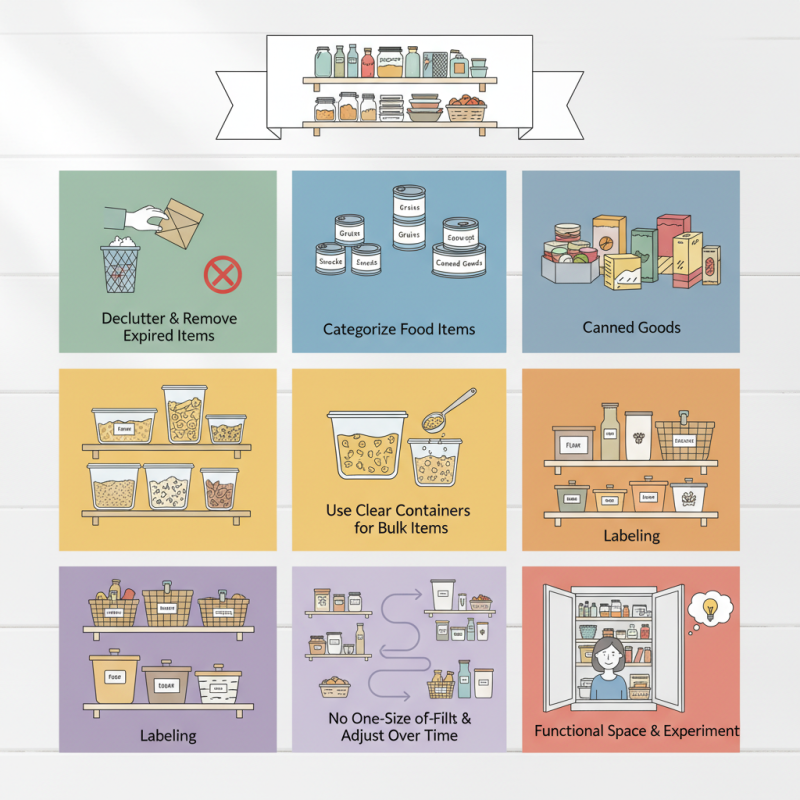
Organizing your pantry can feel daunting. However, what is the best way to organize a pantry? The answer lies in thoughtful planning and execution. A well-organized pantry saves time and reduces food waste. It also creates a visually appealing space. Start by decluttering and removing expired items. This is a crucial first step.

Next, categorize your food items. Group similar products together to make them easy to find. Use clear containers for bulk items. This not only keeps them fresh but also allows you to see what you have at a glance. Labeling is another effective strategy. It helps everyone in the household know where things belong.

Remember, there is no one-size-fits-all solution. Your pantry organization may need adjustments over time. Reflect on what works best for you and your lifestyle. In the end, the goal is a functional space that meets your needs. Don't be afraid to experiment until you find your ideal setup.
Best Tips to Organize Your Pantry Efficiently?

Assessing Your Pantry Space and Contents

Assessing your pantry space is the first step to a more organized kitchen. Look at its size and layout. Note the shelves, cabinets, and any awkward spots. Measure the dimensions if needed. This will help you plan for storage solutions that fit perfectly. Ask yourself what the most accessible areas are. These can hold your frequently used items.

Next, evaluate the contents of your pantry. Take everything out and make a list. Group items like canned goods, grains, and snacks together. This helps identify what's essential and what might be expired or unused. You might find duplicate items lurking in the back. Don't be afraid to let go of things that no longer serve you.

Consider your cooking habits during this process. Reflect on whether you often reach for certain items. This knowledge guides the organization of your pantry. Install adjustable shelves if necessary, or use bins for smaller items. The goal is to create a system that is both functional and easy to maintain.

Choosing the Right Storage Solutions and Containers

Creating an organized pantry begins with selecting the right storage solutions and containers. Clear containers are a great choice. They allow you to see what's inside at a glance. Choose containers that are stackable. This maximizes your space and keeps everything tidy. Additionally, airtight containers can help keep food fresh while preventing pests.

Consider using bins for grouping similar items. For instance, keep snacks in one bin and canned goods in another. Label each container clearly. This will save you time when searching for ingredients. Remember to assess your pantry regularly. Over time, some containers may not suit your needs anymore. Reevaluate your choice to stay organized.

Not everyone has the luxury of a large pantry. Make use of vertical space. Shelf risers can add height and create more room. Adjustable shelving can also fit various items. Think about your habits too. If you often buy in bulk, invest in larger containers. Failures or misfits may occur, so be open to refining your organization as you go. This process is about finding what works best for you.

Categorizing Food Items for Easy Access

Effective organization of your pantry begins with categorizing food items. Research shows that clear categorization increases efficiency by 30%. Grouping foods by type helps you access what you need without rummaging through. Consider sections for grains, canned goods, snacks, and spices. This not only saves time but also reduces food waste. When everything has a designated spot, you can quickly spot expired items and avoid unnecessary purchases.

Using labeled containers enhances accessibility. Clear, stackable bins are ideal for grains and snacks. A recent study highlighted that people are 40% more likely to follow through with meal planning when their pantry is well-organized. However, be aware that over-categorization can lead to confusion. Ensure each section is manageable and intuitive. Regularly reassess your system to see what works and what doesn’t, adapting it to your cooking habits and meal preferences. This will keep your pantry not just organized but also functional.

Implementing a Labeling System for Organization

Creating an effective labeling system for your pantry can transform how you cook and find ingredients. Start by categorizing items. Group similar products, such as grains, spices, or snacks. This will make it easier to locate what you need. Use clear, consistent labels. Handwritten labels can give a personal touch, but consider using a label maker for clarity. Make sure the text is large enough to read easily.

Choose the right labeling materials. Waterproof labels can withstand spills. Magnetic labels are versatile and easy to relocate. However, be prepared for some trial and error. You might find that certain categories need adjusting or that some labels fade over time. Stay flexible and open to revising your system as you learn what works best for you.

Think about color coding. Assign specific colors to different food groups. This adds a visual element and speeds up the process of finding items. Labeling jars and containers helps avoid confusion, especially with similar foods. Reflect on your cooking habits. If you often misplace certain items, adjust your labels accordingly. An organized pantry can save time and reduce stress in the kitchen.

Best Tips to Organize Your Pantry Efficiently

This chart represents various organization methods used in pantries. It highlights the effectiveness of labeling, stacking, and categorizing items based on studies and surveys from home organization experts.

Establishing a Regular Maintenance Routine for Your Pantry

Establishing a regular maintenance routine for your pantry is crucial for efficiency. A tidy pantry saves time and reduces stress. Start by scheduling a monthly check-in. This is when you can assess the contents and discard any expired items. It keeps your space organized and prevents clutter.

Implement a simple labeling system. Use clear tags to identify contents and expiration dates. This helps in quickly locating items and encourages you to use what's on hand. Keep a running grocery list in your pantry. When you run low on essentials, note it down immediately.

Consider allocating time during your weekly grocery shopping to reorganize. This is a good moment to restock and rotate items. Rearranging your pantry ensures you place older items in the front, promoting usage. Some weeks may feel overwhelming, and your system might need tweaking. Don’t be disheartened; revisit your organization and adjust as needed.

FAQS

: How can I organize my pantry effectively?

: Start by categorizing food items into sections like grains, canned goods, and snacks. This improves efficiency.

What is the benefit of using labeled containers?

Labeled containers enhance accessibility and make it easier to find what you need quickly.

What should I consider when labeling my pantry?

Use clear and consistent labels. Ensure text is large enough to read easily, avoiding confusion.

Are there ideal materials for labeling?

Yes, waterproof labels work well for spills. Magnetic labels are versatile for relocatable organization.

How often should I reassess my pantry organization?

Regularly reassess your system. Adapt it to your changing cooking habits and preferences for better functionality.

Can over-categorization be a problem?

Yes, over-categorization can lead to confusion. Keep sections manageable and intuitive for easier access.

How does color coding help in the pantry?

Color coding adds a visual element, speeding up the process of finding specific food items.

What if my labels fade or don’t work?

Be open to trial and error. Some labels may need adjustment as you discover what works best for you.

What if I often misplace items in my pantry?

Reflect on your cooking habits. Adjust labels or categories to improve item retrieval.

How does an organized pantry affect cooking?

A well-organized pantry reduces stress in the kitchen. It saves time and helps avoid unnecessary purchases.

Conclusion

To address the question of what is the best way to organize a pantry, it is essential to start with a thorough assessment of your pantry space and its contents. Begin by evaluating what you have, identifying expired items, and understanding the available space. Next, choosing the right storage solutions and containers is crucial; consider clear bins for visibility and stackable options for maximizing space.

Once your items are organized, categorizing food items—such as grouping canned goods, snacks, and baking supplies—will enable easier access. Implementing a labeling system can further enhance organization, making it simple to locate items quickly. Finally, establishing a regular maintenance routine ensures your pantry remains tidy and functional over time, helping you maintain an efficient space that meets your needs.

Mason

Mason

Mason is a seasoned marketing professional with a deep expertise in the company's offerings and a passion for driving brand awareness. With a strong background in digital marketing strategies, he has an innate ability to connect with diverse audiences and effectively communicate product benefits.......