A well-organized kitchen can transform your cooking experience. Efficiently stored ingredients and tools save you time and reduce stress. But what makes a kitchen storage system efficient? It's about more than just fitting everything into cabinets. An efficient system maximizes space, promotes accessibility, and enhances workflow.
Consider your kitchen layout. Are cabinets too high? Do you struggle to reach items? These flaws hinder efficiency. Opting for clear containers can help you see what you have. Labeling drawers and shelves also saves time.
Understanding your cooking habits is key. Do you often bake? Keep baking essentials near the prep area. Reflect on your needs regularly. An efficient system must evolve with your cooking style. Revising your storage solutions is a continual process that can lead to a more enjoyable cooking environment.
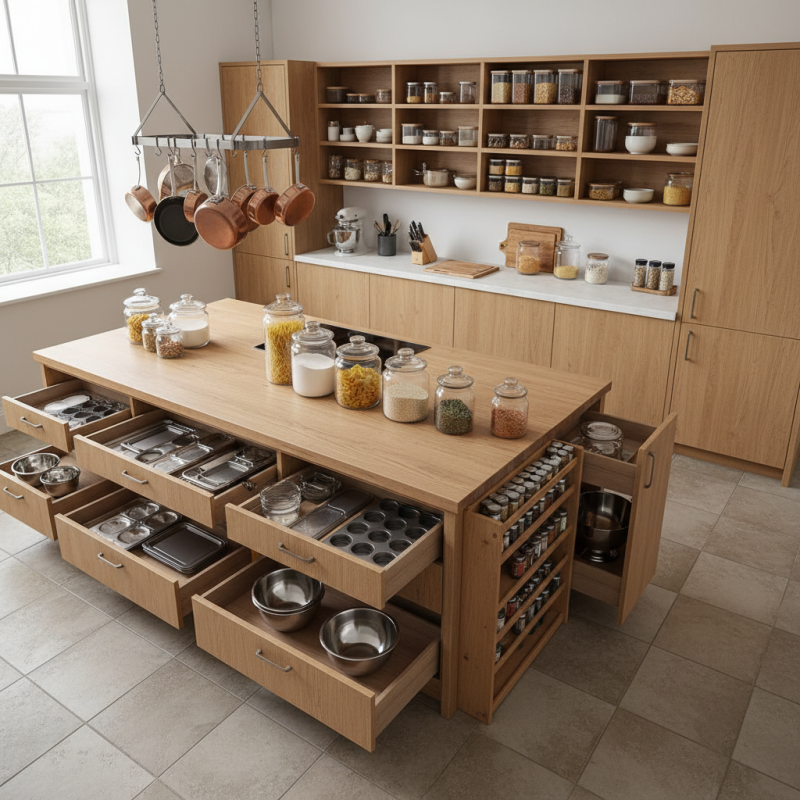
When assessing your kitchen space, start by measuring dimensions. Understanding the size of your kitchen can help you utilize every nook and cranny. According to the National Kitchen and Bath Association, 80% of homeowners feel that their kitchen does not have enough storage. This reveals the importance of a well-planned storage system.
Take inventory of your kitchen items. Categorize them into groups like pots, pans, and utensils. The American Institute of Architects states that effective kitchen storage can increase efficiency by 30%. This means knowing what you have and where it is. Use clear bins or labels for visibility. A common mistake is underestimating vertical space. Consider wall-mounted shelves or hanging racks to maximize storage.
Reflect on your workflow. Are there items you rarely use taking up valuable space? Your kitchen should facilitate cooking, not hinder it. Identify areas for improvement. The average kitchen storage should accommodate daily needs while minimizing clutter. Prioritize frequently used items in accessible locations. Embrace small changes to create a more efficient kitchen.
Choosing the right storage solutions for kitchen items can transform your cooking space. Start by assessing your kitchen's layout and identifying what you need to store. Cabinets, shelves, and drawers should be used efficiently. Think about how often you use each item. Often-used tools should be easily accessible. Less-used items can go higher up or in the back.
Utilize clear containers for dry goods. Visibility helps you find what you need quickly. Hooks or racks for pots save precious space. Consider using magnetic strips for knives. This not only keeps them safe but also frees up counter space. When it comes to pantry organization, categorize items. Group similar products together for easy retrieval.
Reflect on your storage choices over time. Are your solutions still working for you? Regularly evaluate what you use and what remains untouched. An effective system evolves with your cooking habits. Sometimes, a seemingly perfect solution may not serve well in practice. Stay flexible and willing to adapt your space.
Creating an efficient kitchen storage system involves smart use of vertical space. With the right shelves and hooks, you can transform cluttered areas into organized havens. According to a recent study from the National Kitchen and Bath Association, using vertical space effectively can increase storage efficiency by up to 50%. This is not just about aesthetics; it creates functionality and ease of access.
Think about adding shelves above countertops or along walls to utilize often overlooked spaces. Open shelving allows for easy visibility. Use decorative baskets or containers to keep small items organized. Hooks can also be a game changer. Hanging pots, pans, and utensils frees up valuable drawer and countertop space. Research shows that well-organized kitchens reduce cooking time by 20%.
Consider that not all vertical solutions work for every kitchen. Assess your layout and choose suitable heights for shelves. It’s easy to overcrowd shelves, making it hard to find what you need. Regularly revisiting your storage needs can help maintain efficiency. As experts advise, spatial awareness is key, and small adjustments often lead to substantial improvements.
An efficient kitchen storage system is vital for maintaining organization. To optimize your space, start by categorizing frequently used items. Place cooking utensils, spices, and cutting boards within easy reach. A simple pegboard can keep tools visible and accessible. This setup minimizes clutter and promotes a smoother cooking experience.
Consider using clear containers for ingredients. They allow quick identification of contents. Label these containers to enhance convenience. Regularly assess which items are used most often. If some tools gather dust, it might be time to reconsider their location or usefulness. Reflecting on these choices can lead to better organization habits. A well-thought-out system not only saves time but also enhances your overall kitchen efficiency.
Creating an efficient kitchen storage system requires regular decluttering. Over time, items accumulate, making it hard to find what you need. Every few months, take a moment to assess your kitchen tools and gadgets. Ask yourself if you use each item. If not, consider letting it go. This process not only clears space but also refreshes your cooking environment.
An organized kitchen is a productive one. Start by categorizing your items. Group similar tools together. This will make your searches quicker and more efficient. However, it's easy to slip back into disorganization. Set reminders to review your storage periodically. A checklist can help. Take note of what you've used and what you haven't. Keeping a kitchen log might seem tedious, but it prevents clutter from overwhelming your space.
It's vital to remain realistic about your storage needs. Often, we overestimate how much we can keep. Challenge yourself to minimize duplicates and find multifunctional tools. If you haven't used an item in six months, it may be time to say goodbye. Crafting a balanced approach to your kitchen storage can lead to a more enjoyable cooking experience. Each small change can contribute to a calmer, more efficient kitchen atmosphere.
: Measure your kitchen's dimensions to understand how to utilize every corner wisely.
Categorizing items helps increase efficiency and ensures you know what you have.
Many underestimate vertical space, missing opportunities for wall-mounted shelves or racks.
Keep them within easy access, like utensils and spices, to enhance cooking efficiency.
Consider relocating them to less accessible areas to minimize clutter and improve workflow.
Use clear containers and labels for easy identification of ingredients and tools.
Regular assessments help determine if your current solutions still meet your needs.
It allows you to adapt your system to evolving cooking habits and preferences.
A systematic approach saves time and enhances overall kitchen efficiency.
No, flexibility is key. Sometimes, what seemed perfect may need rethinking over time.
An efficient kitchen storage system is essential for maximizing space and enhancing productivity in the kitchen. To create such a system, it starts with assessing your kitchen layout and understanding your unique storage needs. By choosing the right storage solutions tailored to various kitchen items, you can optimize the arrangement. This includes maximizing vertical space with shelves and hooks, which helps free up countertops and drawers.
Furthermore, organizing frequently used items for easy access is key to maintaining an efficient kitchen environment. Implementing a routine to regularly declutter and revise your storage can help ensure that everything remains organized and functional. Ultimately, what makes a kitchen storage system efficient is its ability to adapt to your daily cooking habits while keeping everything in order and easily accessible.

NIXA Storage