Proper food storage in kitchen cabinets is essential for maintaining freshness and preventing waste. Understanding how to store food properly in kitchen cabinets is critical for every home cook. Poor organization can lead to spoilage, confusion, and frustration when preparing meals.
Using clear containers allows you to see what's inside. Labeling items with dates is a good practice too. However, many people forget to update these labels after opening packages. It’s easy to overlook expired items hiding in the back of the cabinet. This can lead to a waste of money and resources.
Temperature control is another factor. Not all foods belong in the same space. Sometimes, they may need to be transferred to a cooler location. Some items might also be prone to pests if not stored properly. Remember that proper food storage is both an art and a science. Keeping a well-organized cabinet not only saves time but also helps promote a healthier kitchen environment.
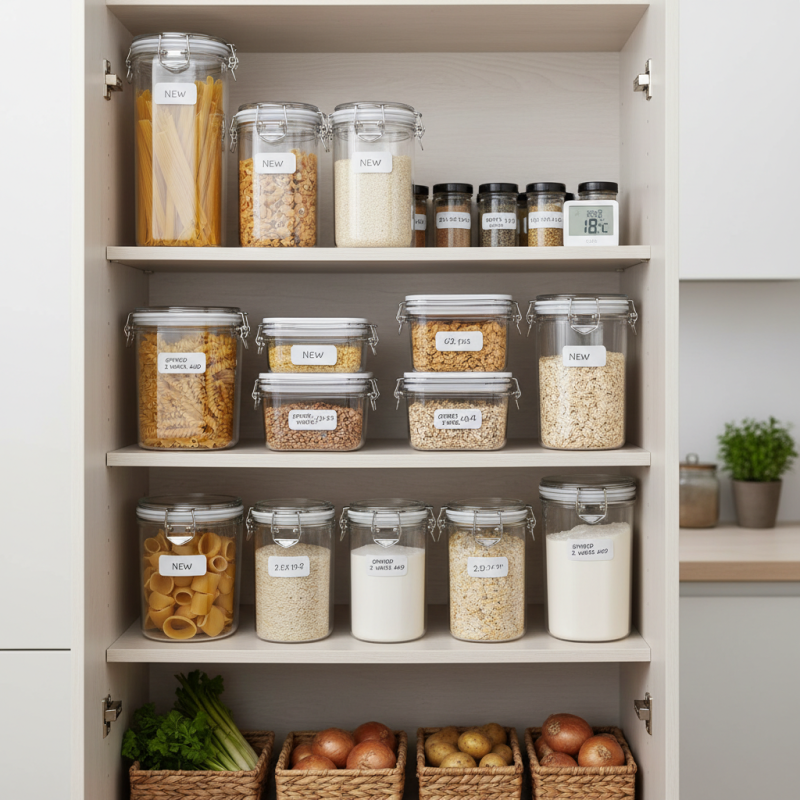
Proper food storage is crucial in maintaining safety and quality in our kitchens. According to the USDA, nearly 48 million people get sick each year from foodborne illnesses. This emphasizes the importance of understanding how to properly store food. Proper storage helps prevent contamination and spoilage, ultimately protecting our health.
One essential tip is to keep dry goods in airtight containers. This prevents pests and prolongs freshness. For instance, rice and pasta should be sealed to avoid exposure to moisture. Another helpful tip is to label items with the purchase date. This practice can aid in using older items first, thus minimizing waste.
Additionally, organizing your cabinets is key. Place frequently used items at eye level. Store canned goods in a cool, dry place. This keeps your food accessible and in good condition. Remember, even small changes in storage technique can significantly impact food safety. Regularly check your storage techniques for improvement opportunities. Keeping food safe starts with you.
Choosing the right containers for food storage is essential for maintaining freshness and preventing waste. Glass containers are a solid choice. They are non-toxic and help keep the food safe. Their transparency allows for easy visibility of contents. However, they can be heavy. Users need to consider how much weight they can manage.
Plastic containers are lightweight and often cheaper. They come in various shapes and sizes. However, not all plastics are created equal. Some can absorb odors or stain easily. It’s important to choose BPA-free plastics to ensure safety. Reusable silicone bags are another option. They are flexible and easy to clean, yet they may not seal as tightly as traditional containers.
It’s also crucial to consider proper sealing. Containers without airtight seals can lead to food spoilage. Experimenting with different storage options may be necessary. Not every container works for every food type. Take notes on what works best. Over time, you’ll discover your preferences and adapt your food storage habits accordingly.
| Tip Number | Storage Tip | Recommended Container Type | Ideal Food Type |
|---|---|---|---|
| 1 | Use airtight containers to prevent moisture | Glass jars with airtight lids | Grains, pasta, snacks |
| 2 | Label containers with contents and dates | Plastic containers with labels | Leftovers, prepared meals |
| 3 | Store similar foods together | Stackable bins | Snacks, canned goods |
| 4 | Avoid placing food near heat sources | Wooden or metal cabinets | Oils, spices |
| 5 | Use clear containers for easy visual access | Clear plastic containers | Baking supplies |
| 6 | Keep frequently used items at eye level | Regular shelving | Spices, oils, condiments |
| 7 | Rotate stock regularly to reduce waste | Totes or bins for easy access | Canned goods, dry food |
| 8 | Use food storage bags for bulk items | Zip-top bags | Bulk grains, snacks |
| 9 | Keep a designated space for cleaning supplies | Separate cabinet or shelf | N/A |
| 10 | Create a pantry checklist for tracking supplies | Notebook or app | All food items |
Organizing food by category makes access smoother and cooking more efficient. Start by grouping items such as grains, canned goods, snacks, and baking supplies. Clear bins can help keep these categories defined. Label each bin or shelf to avoid confusion later.
Consider storing frequently used items at eye level. Place heavier items on lower shelves for safety. Easier access can motivate you to cook more at home.
Don't forget to reevaluate your organization system regularly. Items can accumulate over time. Make it a habit to check expiration dates and refresh your pantry. Sometimes, we might forget about older items lurking in the back. Embrace the challenge of revisiting your layout to enhance your kitchen's functionality.
Maintaining optimal temperature and humidity levels in kitchen cabinets is essential for food preservation. Studies show that food stored in environments with too much heat or moisture spoil faster. The USDA recommends keeping storage areas between 50°F and 70°F. This range slows down bacteria growth and extends food shelf life.
Humidity levels also play a crucial role. The ideal humidity for dry goods, like grains and pasta, should be around 15% to 20%. Excess humidity can lead to mold and spoilage. According to the Food Storage Guidelines, foods exposed to high humidity can lose flavor and nutritional value. It is important to regularly check for moisture within cabinets. Consider using desiccants or moisture absorbers to control levels effectively.
Regularly monitoring these factors requires diligence. Many people overlook cabinet conditions. Some might not realize that foods can spoil rapidly without proper care. Investing in a simple thermometer and hygrometer can make a significant difference. These tools provide insights into your kitchen's climate. Being aware can prevent unnecessary waste and ensure the best quality of your stored items.
Implementing a First In, First Out (FIFO) system in your kitchen cabinet is a practical way to manage your food inventory. By using FIFO, you'll ensure that older items are used before newer ones. This strategy reduces waste and keeps your food fresh. Labeling your containers helps track expiration dates easily.
Organize your cabinet by placing older products at the front. Keep similar items together for easier access. It's a small detail, but it makes a big difference. Occasionally, take a moment to check for expired products. This will help maintain order and safety in your kitchen.
Consider the size of your containers as well. If you notice items left over or forgotten at the back, adjust your storage solution. Experiment with different systems until you find what works best for you. Remember, a cluttered cabinet might lead to confusion over what needs to be used first. Stay flexible and keep adapting your methods as your food storage needs change.
: Proper food storage maintains safety and quality, preventing foodborne illnesses and spoilage.
Store dry goods in airtight containers to avoid exposure to moisture and pests.
The USDA recommends keeping storage areas between 50°F and 70°F for optimal food preservation.
Aim for a humidity level of 15% to 20% to prevent mold and spoilage of dry goods.
Place older items at the front of your cabinet and use them before newer items.
Regularly check for expired items and remove them to maintain a safe storage environment.
A thermometer and hygrometer can help monitor temperature and humidity levels effectively.
Organizing cabinets makes food accessible and reduces confusion about what needs to be used first.
Label items with purchase dates and use older items first to minimize waste.
Regularly assess your storage system and adjust containers to prevent confusion and maximize space.
Proper food storage is crucial for maintaining freshness and preventing waste. In the article "Top 10 Tips for Properly Storing Food in Kitchen Cabinets," we explore essential strategies on how to store food properly in kitchen cabinets. First, understanding the importance of proper food storage helps ensure that ingredients remain safe to consume and retain their quality. Choosing the right containers is vital; opaque, airtight options not only keep food fresh but also help prevent contamination.
Additionally, organizing food by category facilitates easy access, saving both time and effort during meal preparation. It's also important to maintain optimal temperature and humidity levels in your cabinets to promote the longevity of stored items. Implementing a First In, First Out (FIFO) system ensures older products are used before newer ones, minimizing spoilage. By following these tips, you can maximize efficiency and safety in your kitchen storage practices.

NIXA Storage