Kitchens are often seen as the heart of the home, yet they can quickly turn into chaotic spaces. Many people wonder, "why do kitchens become messy so quickly?" The answer lies in our daily habits and the nature of cooking itself. When meals are prepared, various ingredients are taken out, tools are used, and surfaces get cluttered.
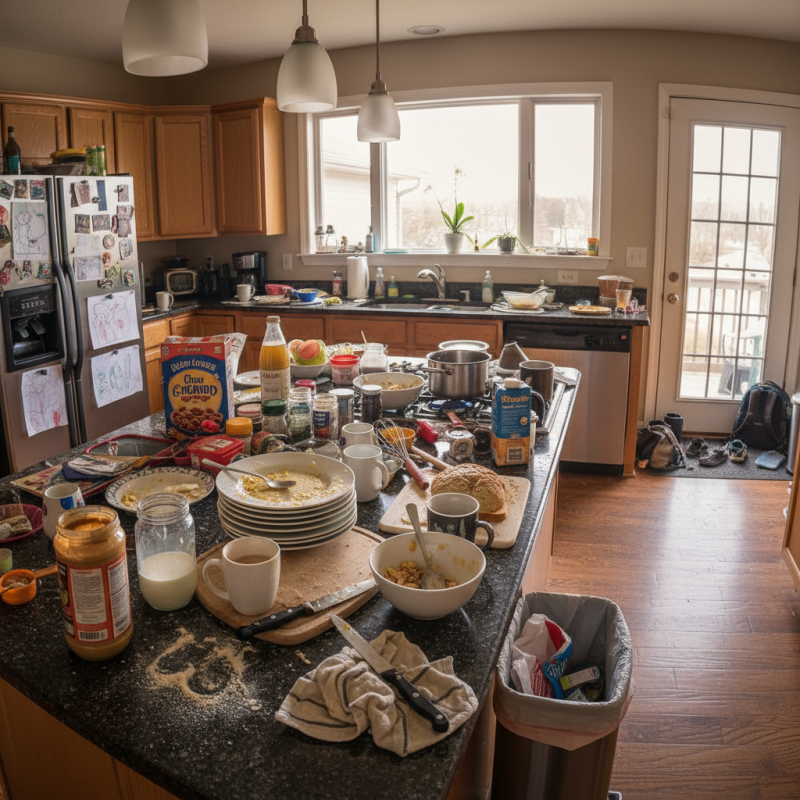
The energy of cooking can lead to a whirlwind of activity. Plates stack up, crumbs scatter, and spills happen almost instantly. A simple breakfast routine can leave the counters unrecognizably messy. This clutter can be overwhelming, especially for busy families.
Reflecting on these moments can lead to better practices. Taking a few seconds to tidy up while cooking can change a lot. Organizing tools and cleaning as you go could help maintain order. Understanding why kitchens become messy can empower us to keep them clean and inviting. Recognizing our habits is the first step towards a cleaner kitchen.
Factors Contributing to Kitchen Clutter: An Overview
Kitchens often become messy for several reasons, many of which stem from daily routines and habits. According to a survey by the American Cleaning Institute, 77% of respondents feel overwhelmed by the chaos that occurs in their kitchens. High foot traffic, combined with meal prep and dishwashing, contributes to this clutter. The constant movement can create a domino effect, leading to disorganization.
One major factor is cooking habits. Meals that require multiple ingredients can cause a spillover of items on counters. In fact, a report from the National Kitchen and Bath Association states that kitchens average 10 to 12 working surfaces, which can quickly fill up during meal preparation. This can lead to stacks of utensils, containers, and groceries piling up.
Tip: To combat clutter, designate specific areas for prep work and dish storage. Keep counters clear to minimize chaos. Set aside 10 minutes daily to tidy up.
Another contributor to kitchen messiness is a lack of efficient storage. Many kitchens have inadequate cabinets or poorly designed layouts. According to the National Association of Home Builders, 60% of homeowners report wanting more storage space in their kitchens. Not having enough room can lead to items being left out instead of stored properly.
Tip: Use vertical space and smart organizers to maximize storage. Invest in drawer dividers and stackable containers. Regularly assess what you really need in your kitchen.
Statistics on Daily Kitchen Usage and its Impact on Cleanliness
The kitchen is often the heart of the home, bustling with activity. Statistics show that a typical household uses its kitchen multiple times a day. Cooking meals, preparing snacks, and gathering for family discussions contribute to this vibrancy. However, with that energy comes chaos. Items can quickly clutter countertops, and dishes pile up in the sink. Research indicates that an average person spends about 1.5 hours in the kitchen daily. That's a significant amount of time for mess to accumulate.
Data reveals that more than 60% of people admit they struggle to maintain kitchen cleanliness amid daily usage. Food prep and cooking can leave crumbs everywhere. Spills happen, and pots and pans can crowd your space. The result? A once-tidy area becomes a chaotic scene. Surprisingly, many do not prioritize an immediate clean-up after use. This often leads to a cycle of neglect and clutter. It's easy to ignore the mess today, thinking it can wait until tomorrow.
In families with children, the mess can multiply. Kids leave their traces, whether it's flour on the floor or fingerprints on appliances. Actions such as preparing meals can turn into contests of who can create the biggest mess. Understanding this reality prompts reflection on how we can improve. Recognizing the daily challenges and implementing small clean-up habits can foster a more organized and inviting kitchen space.
Why Do Kitchens Become Messy So Quickly?
The graph above illustrates the distribution of time spent on various kitchen activities throughout the day. Cooking consumes the majority of time, followed by food preparation and eating, with cleaning and other tasks taking less time. Understanding this usage can highlight why kitchens tend to become messy quickly.
The Role of Meal Preparation in Increasing Kitchen Mess
Meal preparation plays a significant role in the increasing messiness of kitchens. According to a survey by the American Cleaning Institute, 45% of respondents cited cooking as the main activity that leads to kitchen clutter. Each ingredient brings its own packaging, spills, and crumbs. Cutting vegetables can lead to leftovers on the counter. This chaos accumulates quickly.
Additionally, the data shows that over 75% of home cooks do not clean as they go. They wait until the meal is prepared before addressing the mess. This practice can result in a chaotic workspace, making cooking feel more stressful. Often, pots and pans pile up in the sink, waiting for attention.
Reflecting on the meal prep process, it's clear that our approaches need reevaluation. A tidy kitchen promotes a more enjoyable cooking experience. Yet many overlook this. Perhaps it’s time to rethink how we prepare meals. Streamlining cleanup while cooking is a challenge worth tackling.
Why Do Kitchens Become Messy So Quickly? - The Role of Meal Preparation in Increasing Kitchen Mess
| Meal Preparation Activity |
Average Time Spent (minutes) |
Number of Cooking Utensils Used |
Cleanliness Level Before Cooking |
Cleanliness Level After Cooking |
| Chopping Vegetables |
15 |
5 |
Good |
Messy |
| Boiling Pasta |
10 |
3 |
Moderate |
Very Messy |
| Baking |
30 |
8 |
Clean |
Very Messy |
| Grilling |
20 |
6 |
Good |
Messy |
| Mixing Ingredients |
25 |
4 |
Moderate |
Very Messy |
The Influence of Kitchen Design on Clutter Accumulation
The design of a kitchen plays a crucial role in how quickly clutter accumulates. According to a study from the National Kitchen and Bath Association, 80% of homeowners feel overwhelmed by clutter in their kitchens. This statistic highlights the need for thoughtful design that encourages organization. A well-planned layout can reduce mess by providing adequate storage space and functional zones.
Open shelves, for instance, may seem appealing but can often lead to visual clutter. Research indicates that kitchens with closed cabinetry tend to feel less chaotic. The same study shows that homes with designated preparation areas experience 30% less clutter. Effective design can promote a more organized space while also enhancing efficiency.
The materials used in kitchen design can also impact clutter. High-contrast surfaces may create an illusion of mess. It is essential to choose finishes that lend a sense of tranquility. Homeowners often need to reflect on their kitchen usage. This deeper understanding can help foster a design that not only minimizes clutter but also enhances daily routines.
Strategies for Maintaining a Clean Kitchen Amidst High Activity
Kitchens often get messy quickly due to high activity levels. Cooking, meal prep, and cleaning happen all at once. According to a report from the National Kitchen and Bath Association, 90% of families consider the kitchen the heart of their home. This means it gets heavy use and, inevitably, more chaos.
To keep your kitchen clean, focus on organization. Using clear bins for storage can help. Place items where they are frequently used. A study revealed that organized kitchens lead to a 30% increase in cooking efficiency. In the heat of meal preparation, however, it's easy to overlook small messes. The little things matter, like wiping up spills immediately.
Additionally, establish a quick-clean routine. Spend 10 minutes after each meal tidying up. Research shows that regular maintenance can reduce the time spent deep cleaning by up to 50%. However, many people find this challenging. Realistically, life gets hectic. It’s common to leave dishes piling up. Reflect on what works for you to develop a cleaning habit. Finding that balance is key.
Conclusion
In exploring the question of "why do kitchens become messy so quickly," a variety of factors come into play. Daily usage statistics reveal that kitchens are often at the heart of household activities, leading to increased clutter due to frequent meal preparations and social interactions. The act of cooking naturally generates mess, as ingredients, utensils, and dishware accumulate rapidly during the process.
Additionally, the design of a kitchen can significantly influence how clutter accumulates. Poorly organized spaces may lead to increased disarray, making it challenging to maintain cleanliness. To combat this issue, implementing effective strategies is crucial, such as having designated cleaning routines and optimizing storage solutions. By understanding the dynamics of kitchen use and adopting proactive maintenance techniques, one can better manage the chaos and keep the kitchen organized despite high activity levels.

 NIXA Storage