Engineered components designed for direct factory integration, optimized for residential, hospitality, and commercial building envelopes.
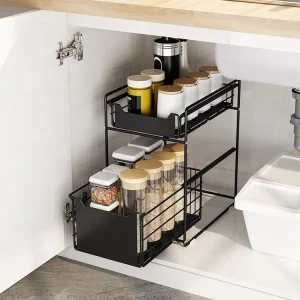
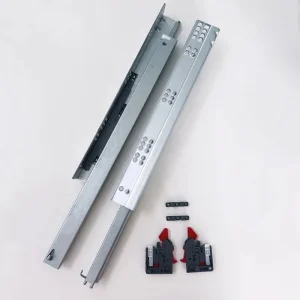
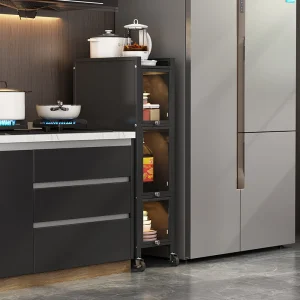
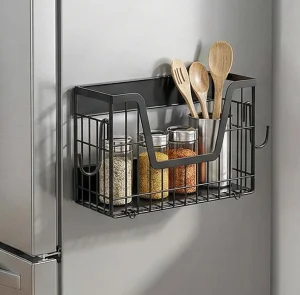
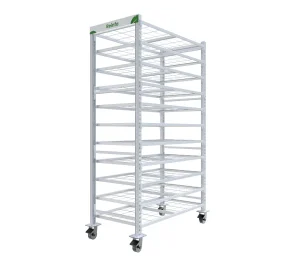
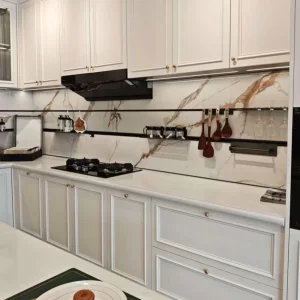
Modern architectural layouts are experiencing a paradigm shift towards space optimization, structural compactness, and ergonomic efficiency. High-density residential real estate, coupled with an increasing preference for modular interior fitouts, has elevated the requirements for premium in-cabinet storage solutions. Globally, corporate developers, high-end construction firms, and large retail networks no longer treat interior hardware as a secondary component; it is recognized as a vital pillar of spatial value creation.
As micro-apartments and Accessory Dwelling Units (ADUs) expand globally, maximizing volumetric efficiency inside kitchen and washroom cabinetry is crucial for developers seeking rental premiums.
Industrial buyers require components utilizing precision engineering, anti-corrosive finishes like powder-coated steels, and high cycle-rated slide components to minimize lifetime maintenance costs.
Supply chains demand interchangeable interior component footprints. Standardized sizes that easily swap between flat-pack modular cabinetry dramatically reduce installation complexity and field errors.
Achieving silent, smooth, and load-resilient actuation within cabinet space involves complex tribology and kinematics. The modern engineering roadmap for in-cabinet systems focuses on high payload capabilities and effortless motion design. Understanding these technical components enables procurement departments to properly evaluate vendor quality beyond mere aesthetics.
High-grade cold-rolled steel or stainless SUS304 forms the structural core. Electrophoretic paint lines or multi-stage powder coating ensures over 48 hours of continuous salt spray testing compliance, essential for humid environments.
Fluid-dynamic silicone oil dampeners are fitted into metal double-walled slides. This guarantees controlled closure profiles (soft-close) regardless of impact force, extending cabinet core service life.
Utilizing reinforced running profiles and complex ball-bearing cages, engineered systems support active loads ranging from 30kg up to 80kg without visible deformation or runner alignment failure.
Incorporation of hands-free mechanical release interfaces (push-to-open) or automated electromagnetic modules to blend storage seamlessly with IoT-enabled modern kitchen designs.
Jinhua NIXA Storage Co., Ltd. is a professional manufacturer specializing in innovative home organization products, focusing on kitchen storage organization systems, modular cabinet solutions, and space-saving kitchen storage products. The company is committed to designing and producing practical storage solutions that help improve household efficiency and optimize limited kitchen space.
With a strong emphasis on modern living needs, NIXA Storage develops a wide range of kitchen organization systems, including modular cabinet inserts, pantry storage solutions, drawer organization systems, and multi-functional space-saving racks. These products are widely used in residential kitchens, apartments, rental properties, and compact urban living environments where efficient space utilization is essential.
Combining functional design with durable materials and user-friendly structures ensures long-lasting performance and easy installation. Jinhua NIXA Storage Co., Ltd. fully supports OEM and ODM customization to meet diverse global market requirements and different household design preferences. Driven by continuous innovation and market demand for smart home organization, NIXA Storage aims to provide efficient, aesthetic, and practical kitchen storage solutions that enhance daily living convenience and promote a more organized lifestyle for users worldwide.
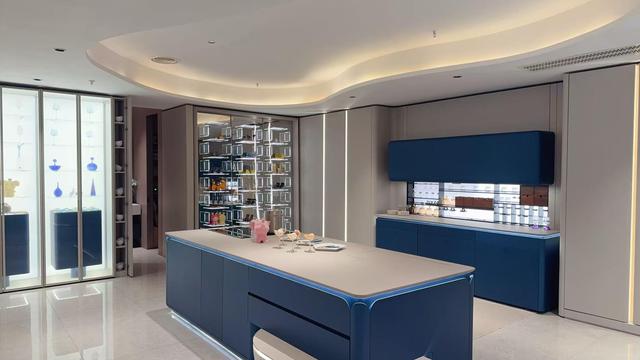
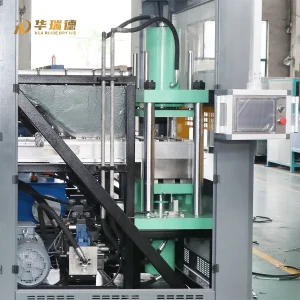
Inside Jinhua NIXA Storage Co., Ltd.'s facilities, showing modern assembly lines, stamping stations, and warehousing.
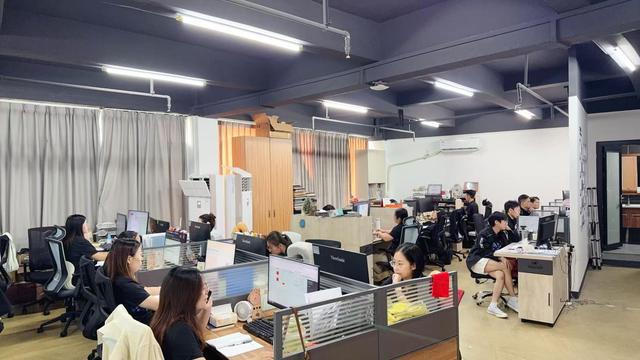


When engineering and sourcing professionals vet a high-volume production facility, they look beyond basic price points. An effective procurement audit must cover structural durability, production automation, custom capabilities, and ESG compliance. These key parameters define industry-leading cabinet hardware manufacturers:
Industrial storage units must pass rigorous static and dynamic weight load validations. Top factories perform robotic cycle stress tests to ensure hardware doesn't warp or sag over decades of use.
Even small measurement discrepancies can cause slide friction or misalignment in modular cabinetry. Precision CNC sheet metal punching ensures structural uniformity across production batches.
Cabinets face humidity, heat, and chemical exposures. High-quality manufacturers use advanced surface passivation, like eco-friendly powder coat finishes or electroplating, to prevent rusting.
Agile engineering services speed up product launches. Tier-1 factories turn 3D CAD models into physical prototypes in weeks, using in-house tool and die design departments.
The core component of premium cabinet drawer slides is the hydraulic dampener. Well-calibrated, high-viscosity silicone pistons ensure a smooth, silent close every time.
Global market access requires compliance with international standards. Audited facilities provide certified reports proving compliance with environmental directives and quality systems.
Efficient delivery to target locations requires more than simple manufacturing. Real-time customs documentation, compliance with regional environmental rules (like REACH and EPA limits), and container optimization are essential for trouble-free shipping.
Using flat-pack KD (Knocked-Down) box packaging optimizes shipping volumes, reducing transport emissions and overall distribution costs.
Integrated export channels ensure clear Bill of Lading documentation, correct HTS code application, and smooth international customs processing.
Utilizing lead-free coatings, low-emission materials, and recyclable components ensures compliance with local health regulations.
Get answers to common technical, material, and manufacturing questions from engineering and sourcing professionals.
SUS304 stainless steel contains high percentages of chromium and nickel, providing outstanding natural corrosion resistance without requiring surface coatings, making it ideal for wet under-sink areas. Cold-rolled steel (CRS) is more cost-effective and structurally rigid, but relies on electroplating or powder coatings to prevent oxidation in high-humidity spaces.
High-end dampening cylinders use specialized high-viscosity silicone fluid. This synthetic oil maintains a stable viscosity index across temperature shifts, ensuring the drawer slides close smoothly in both winter cold and summer heat.
Usually, 3D file confirmation and digital prototyping take 10 to 15 days. Once design approvals are finalized, physical mold creation and test runs require 30 to 40 days, followed by 30 days for mass production runs, depending on batch sizes and order complexity.
Quality testing involves mounting loaded hardware systems on dynamic test rigs. These machines mechanically open and close drawers up to 100,000 times. Runners are periodically checked for metal fatigue, mechanical wear, and slide friction changes during testing.
Discover our full collection of versatile home organizers, durable garage hardware, and high-performance processing equipment.
 NIXA Storage