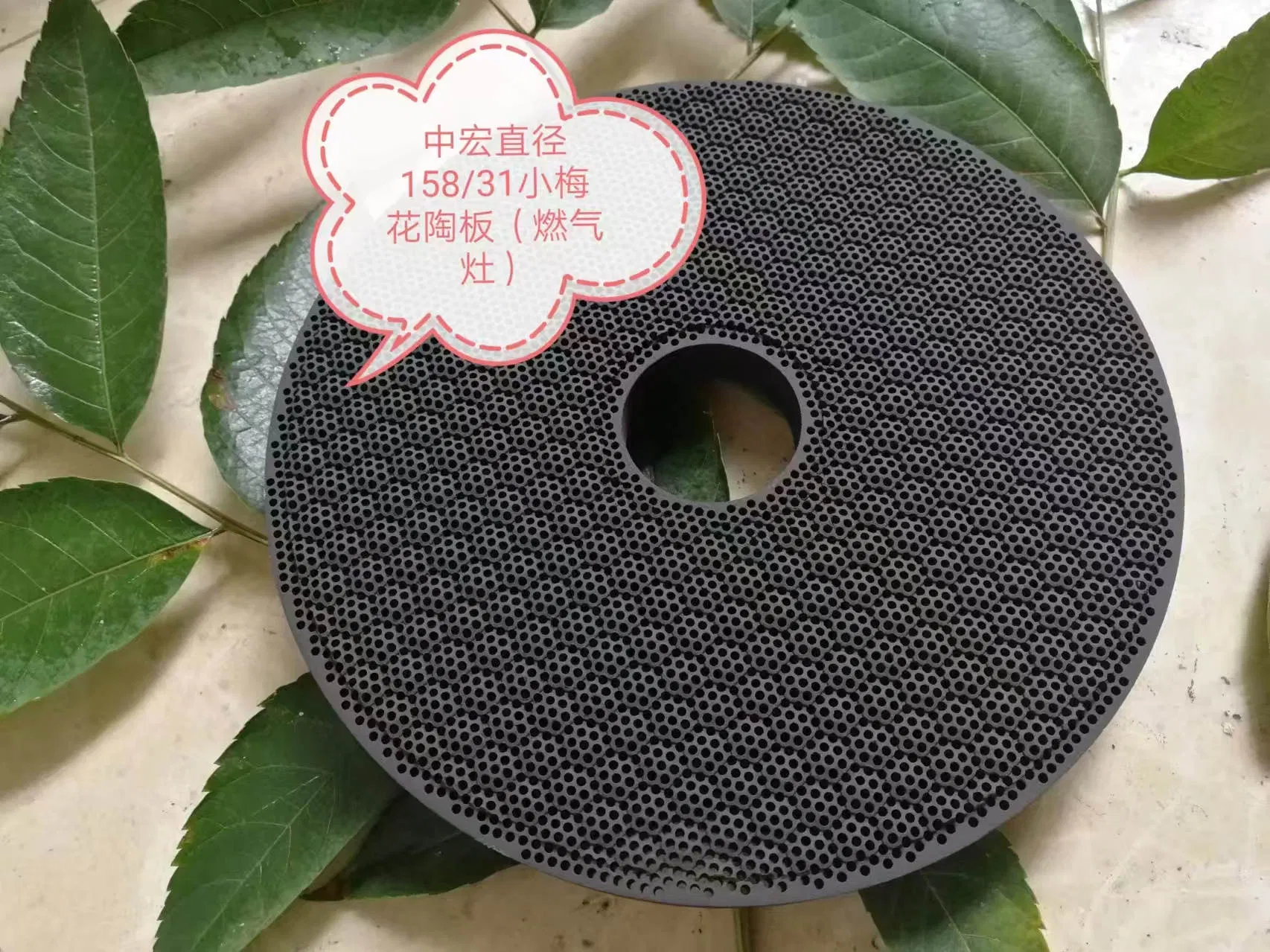
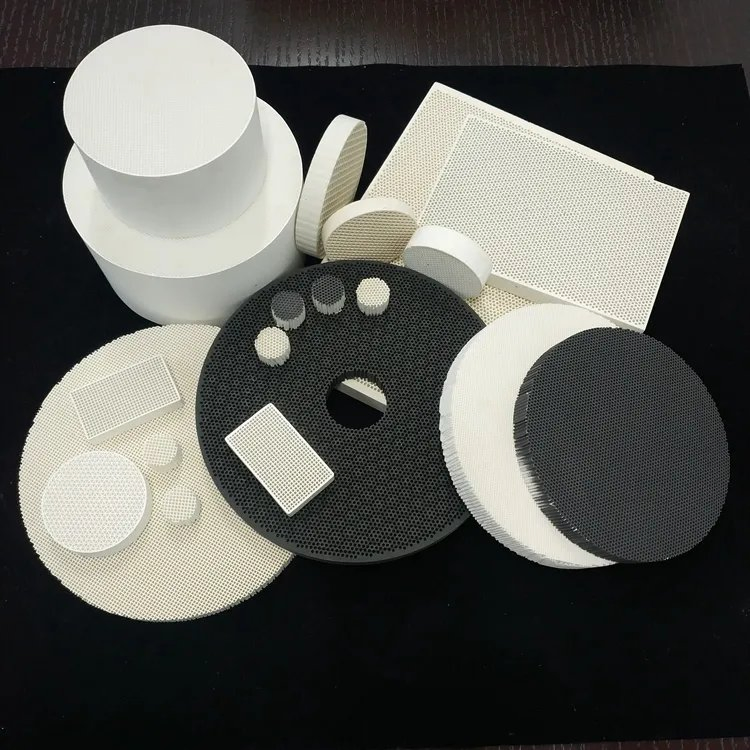
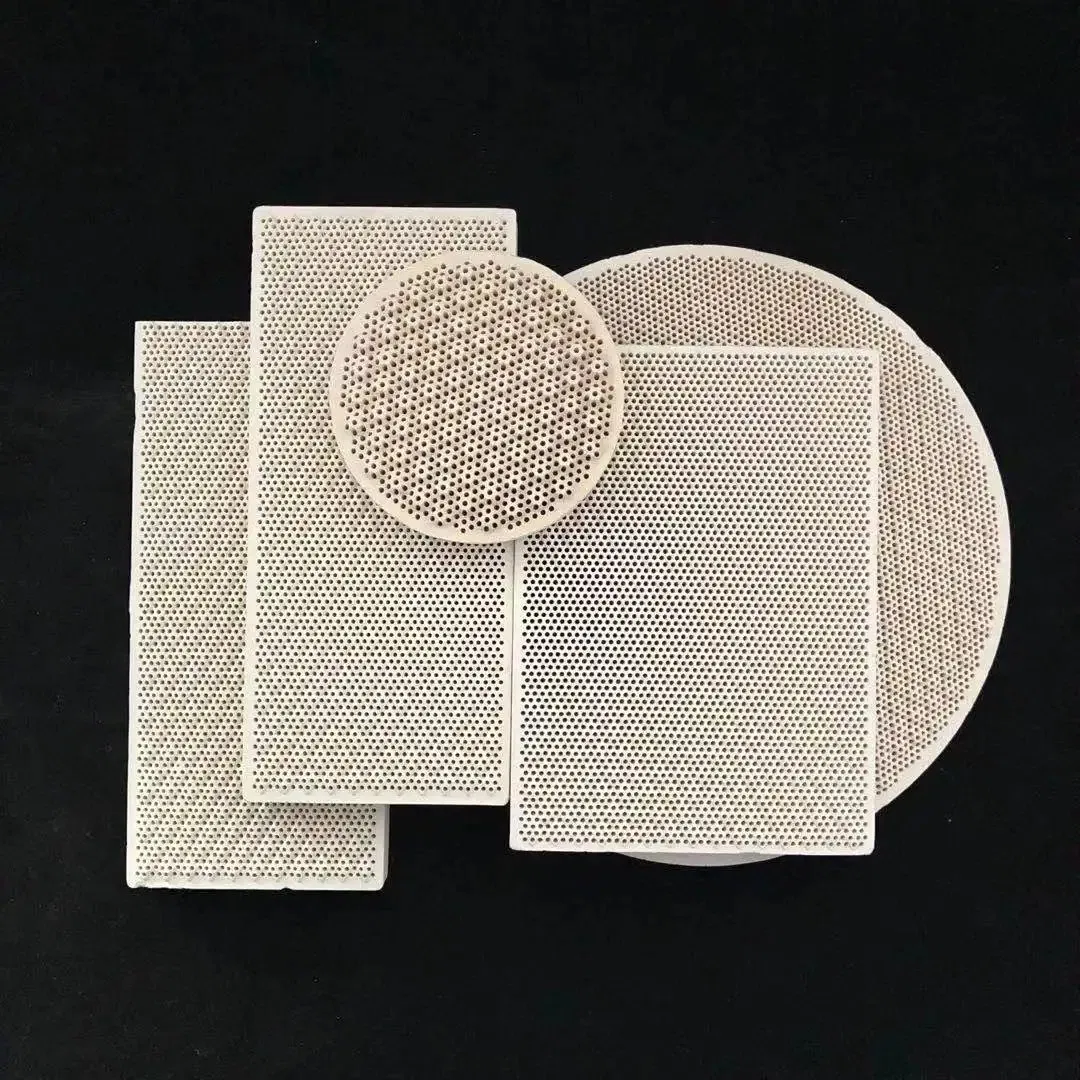
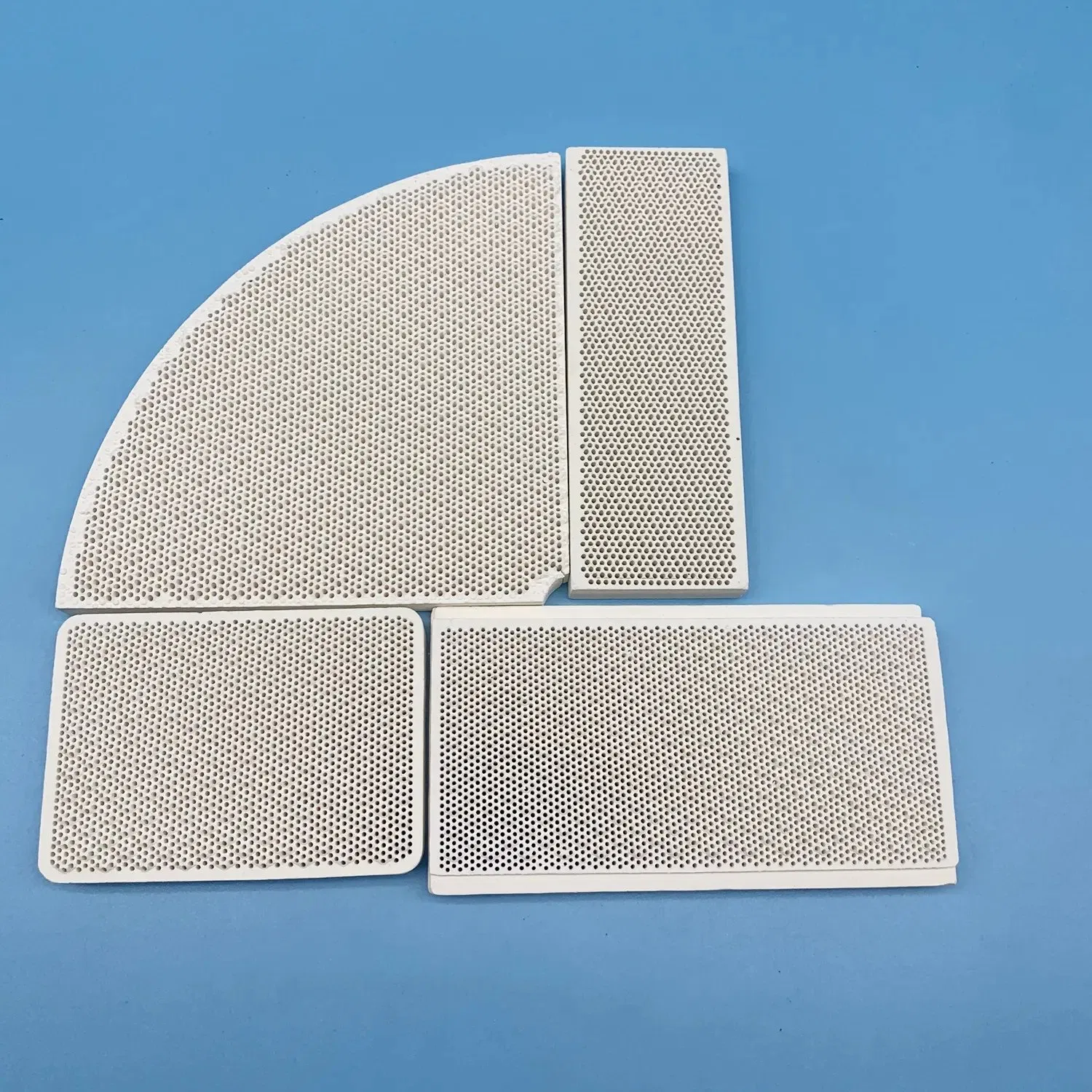
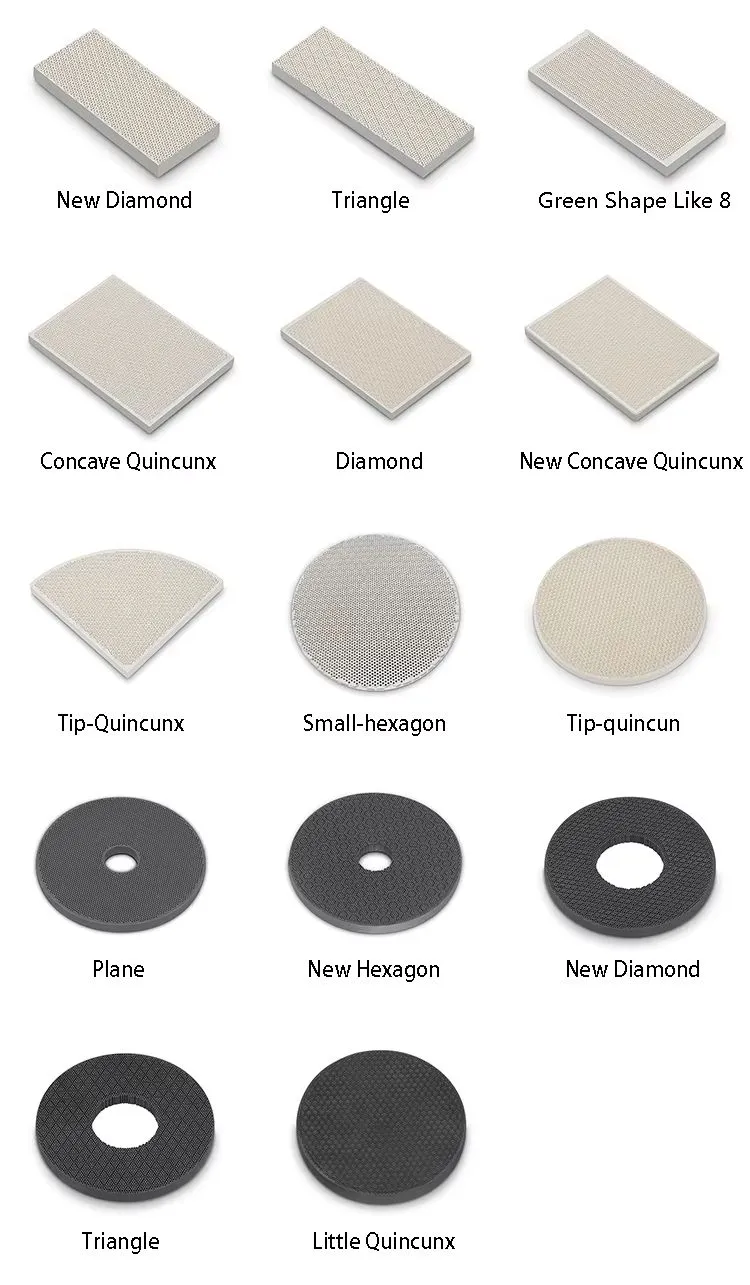
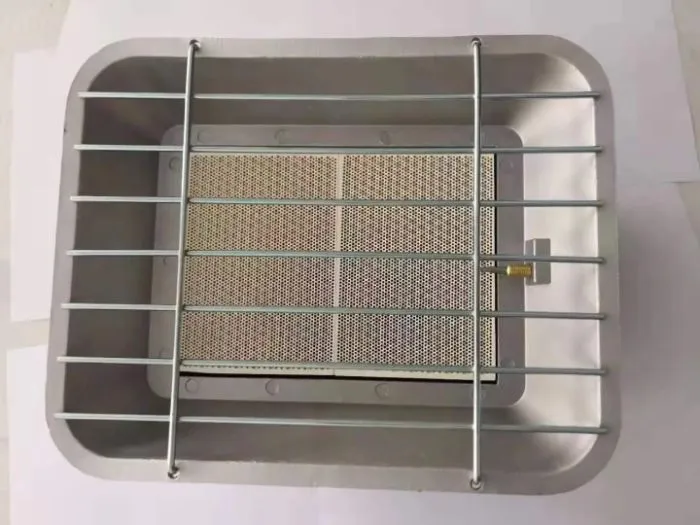
We offer various shapes and sizes tailored to specific industrial and commercial needs.
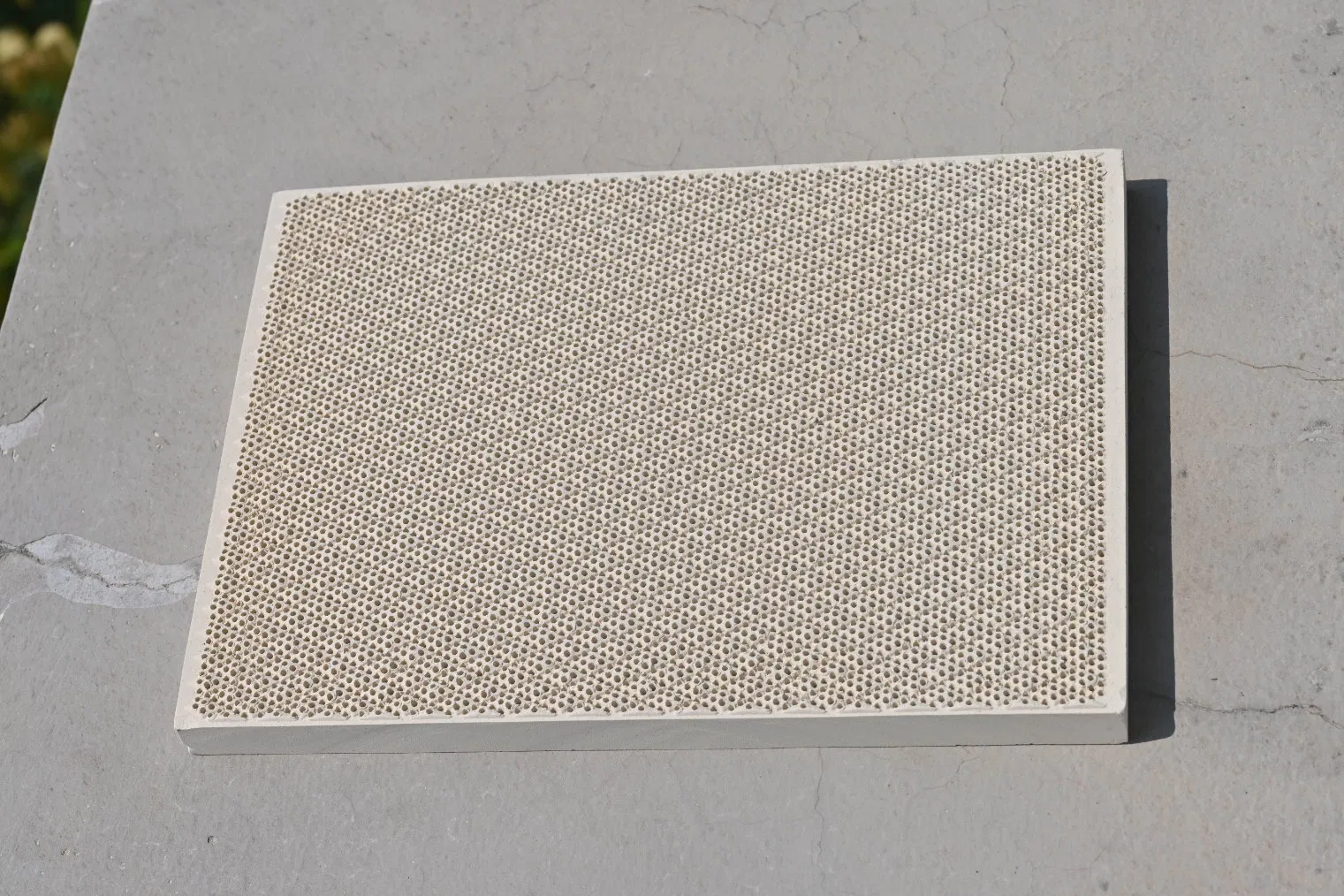
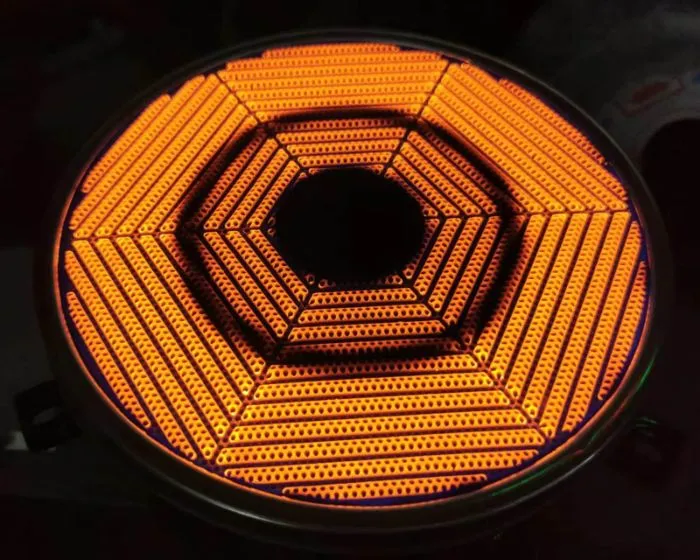
Infrared Honeycomb Ceramic Plate is mainly designed for gas-fired infrared burners. The surface features a three-dimensional corrugated staggered design which increases the specific surface area and combustion area. This plays a regenerative combustion role to achieve complete combustion, reaching the heating effect required for infrared burners while maintaining low power consumption and high environmental standards.
Technical Effects:
- Purify liquid metal, remove non-metallic impurities and gas.
- Ensure smooth liquid metal filling and reduce vortex.
- Simplify gating systems and improve production rates.
- Optimize refined metal organization and reduce gas holes.
- Improve casting surface quality and mechanical properties.
- Decrease casting scrap rate and reduce machining allowance.
❓ Frequently Asked Questions
What is the primary material used in these ceramic plates?
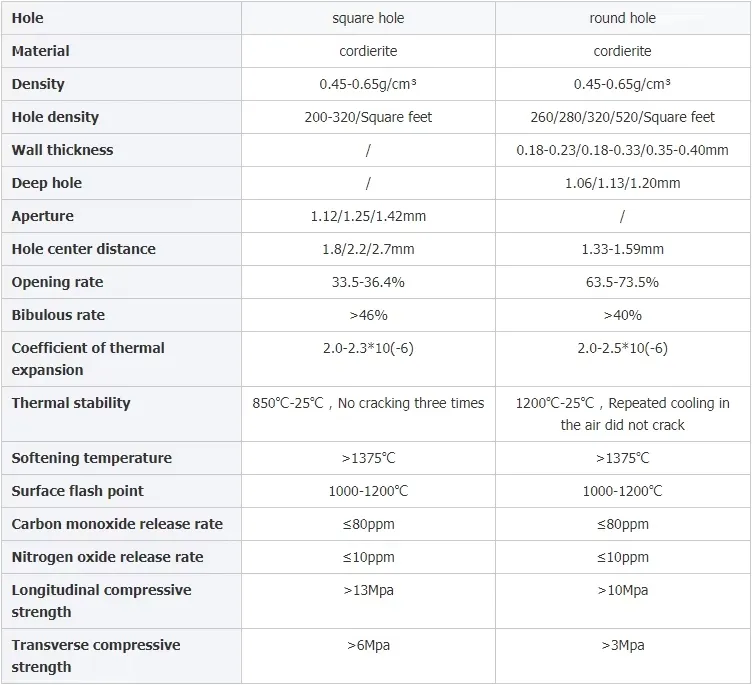
The plates are made of high-quality Cordierite, known for its excellent thermal shock resistance and durability in high-temperature environments.
How much energy can be saved using infrared honeycomb ceramic plates?
By utilizing regenerative combustion and more efficient heat radiation, users can save between 30% to 50% in energy costs compared to traditional flame burning.
What is the maximum temperature these plates can withstand?
The material has a temperature resistance of up to 1400℃, with a maximum working temperature of approximately 1300℃.
Are custom sizes and shapes available?
Yes, we provide full customization for shapes (Square, Round, Hexagon, etc.) and sizes based on your specific drawings and requirements.
What are the main applications for these ceramic plates?
They are primarily used for gas-fired infrared burners, gas stoves, baking ovens, and in metal purification processes to remove impurities.
How is the product packaged for international shipping?
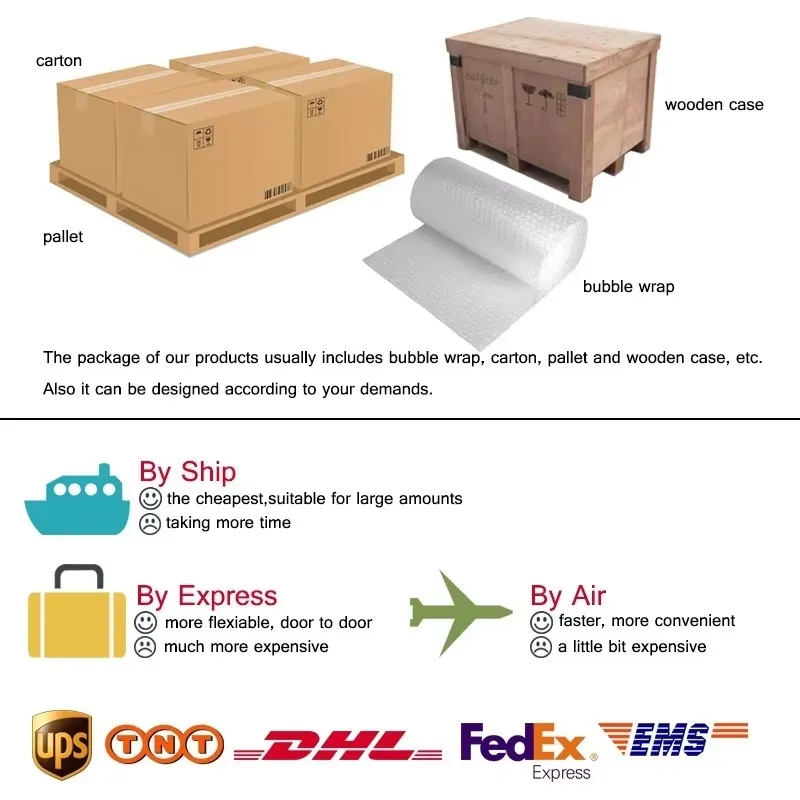
We use professional foam padding and sturdy cartons to ensure the ceramic plates are protected against impact and vibration during transit.
 NIXA Storage