NIXA Storage
1 / 4

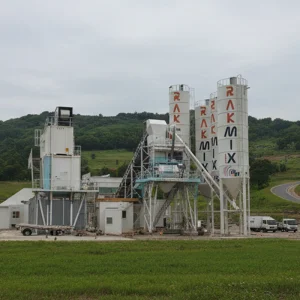
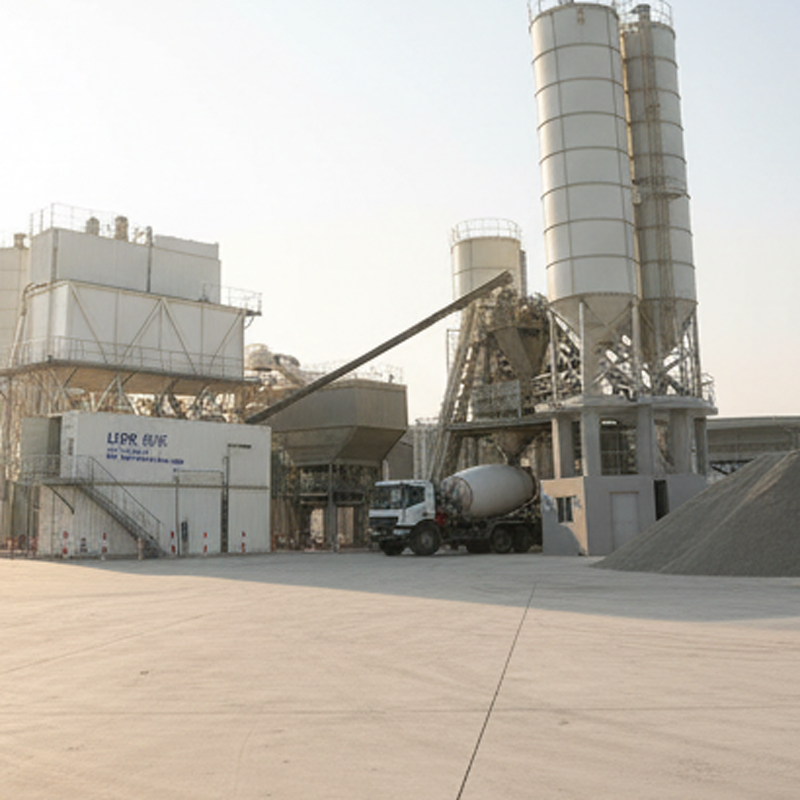
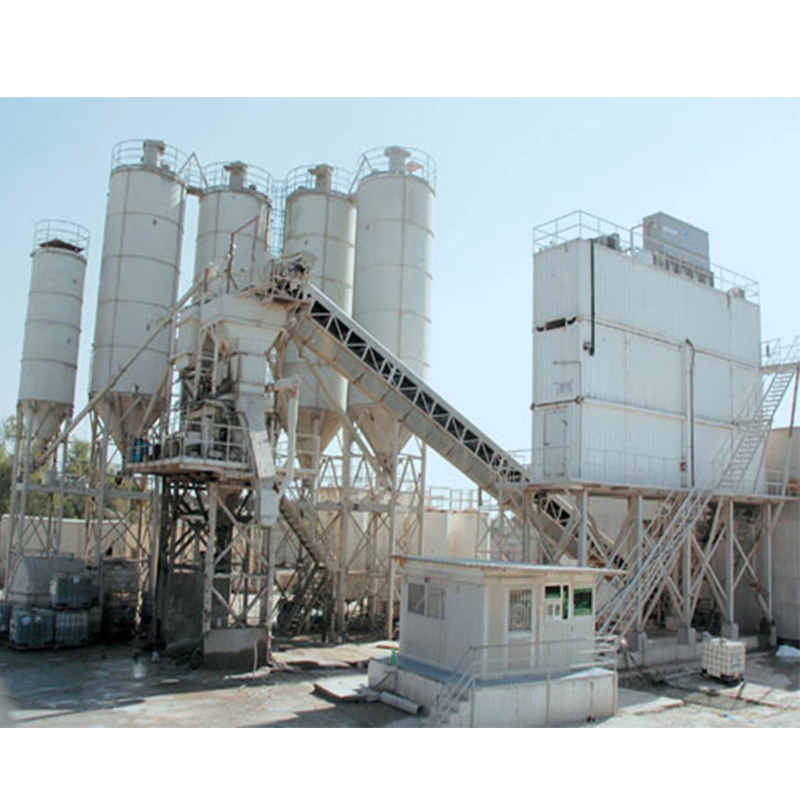
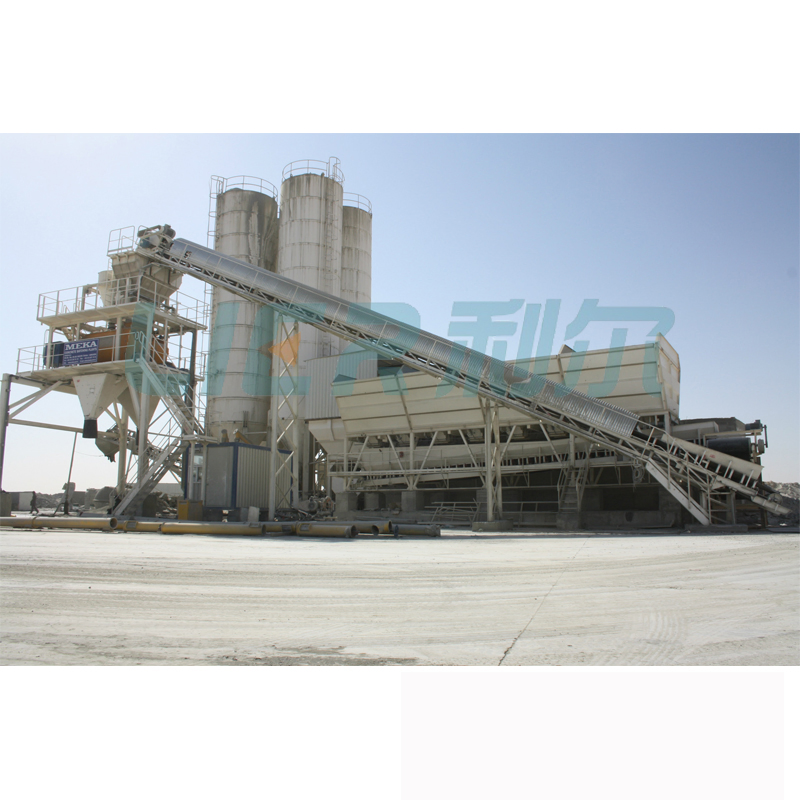
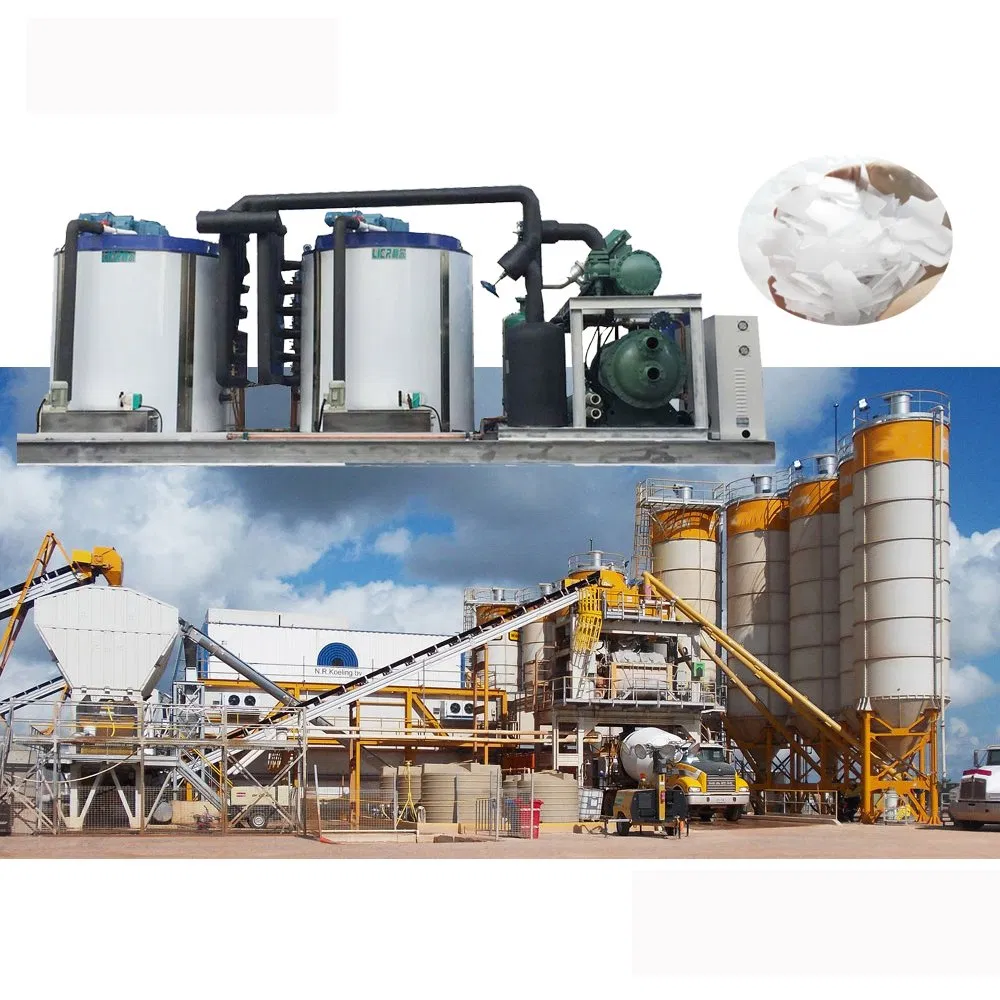
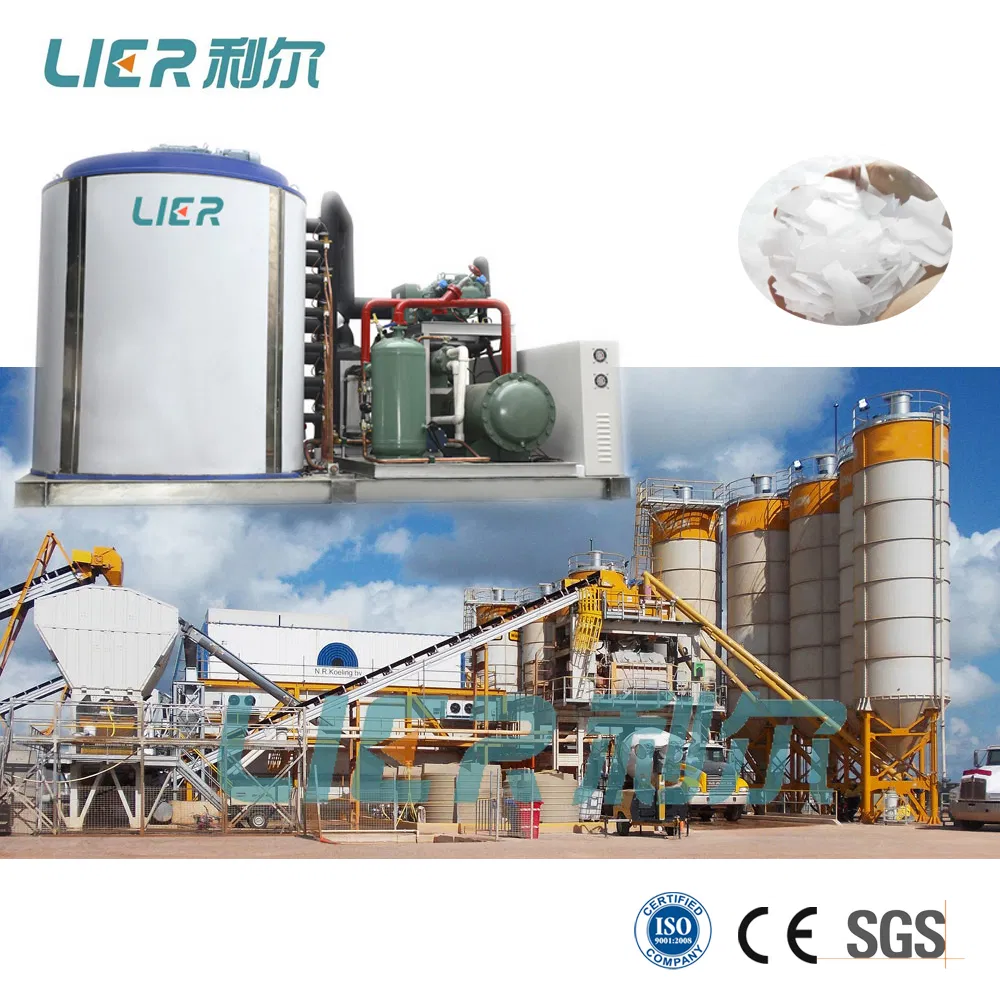
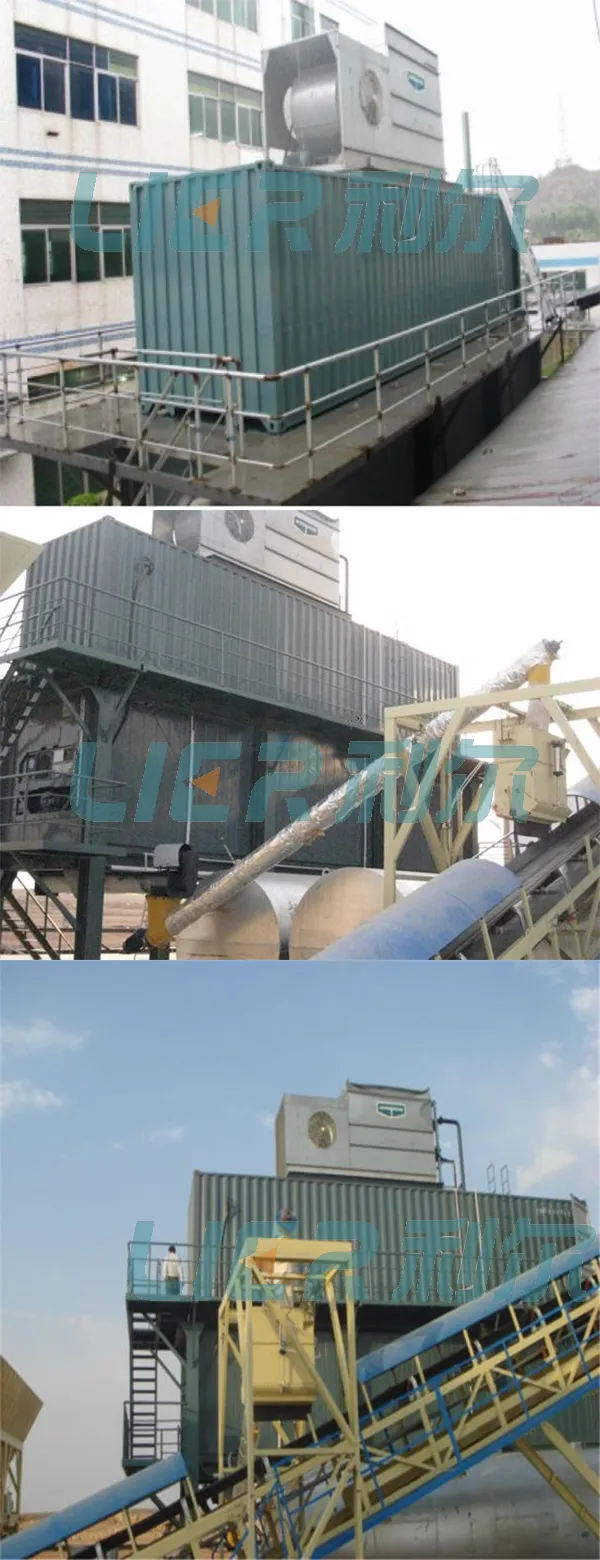
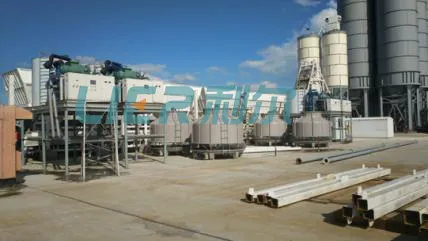
Flake ice is the preferred method for cooling concrete in mass pour projects like hydro dams and nuclear power plants. It efficiently reduces heat generated during the curing process. Our systems realize full automatic ice making, storage, and delivery, providing technical support that ensures operational confidence.
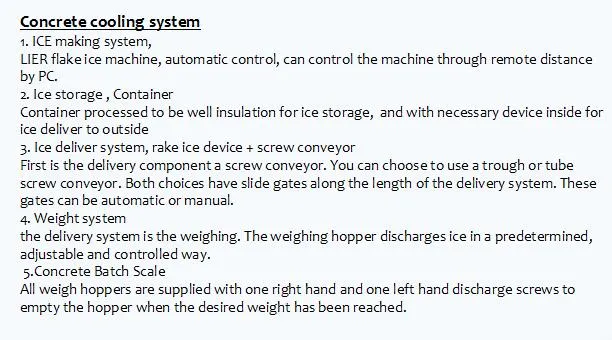
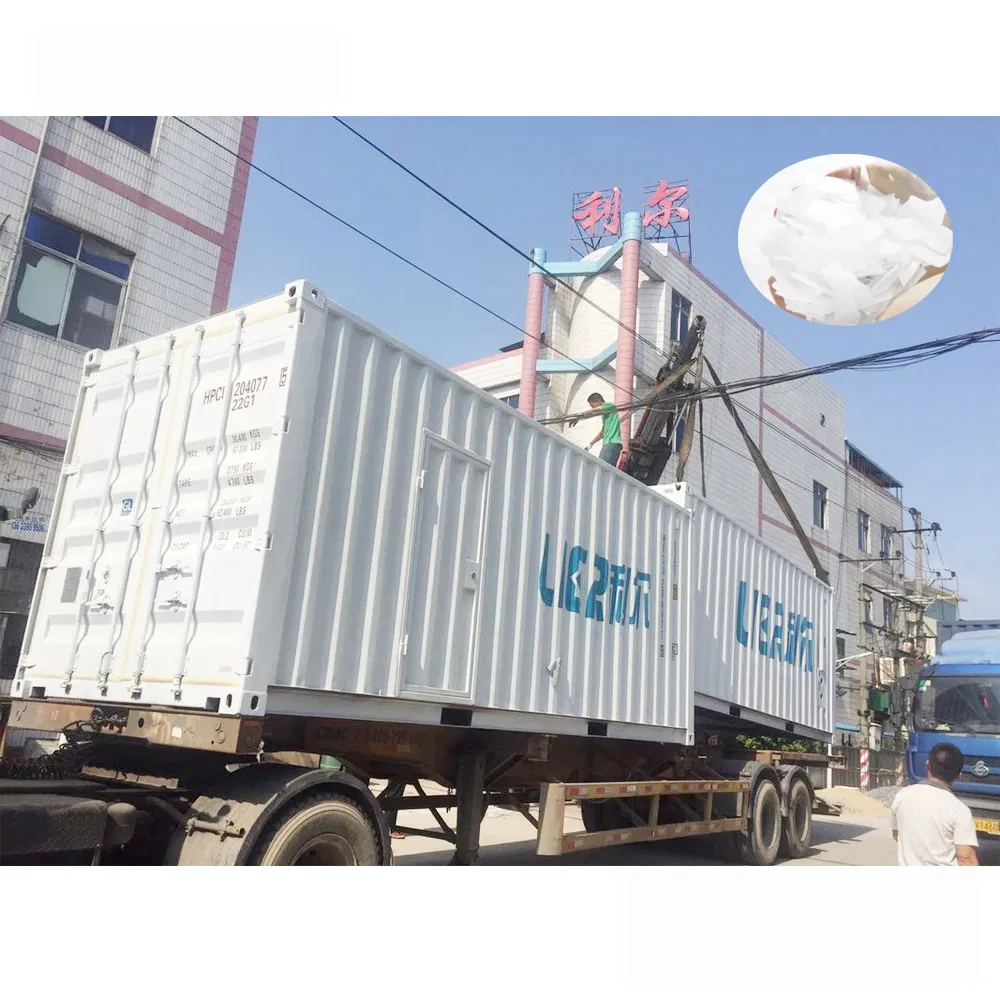
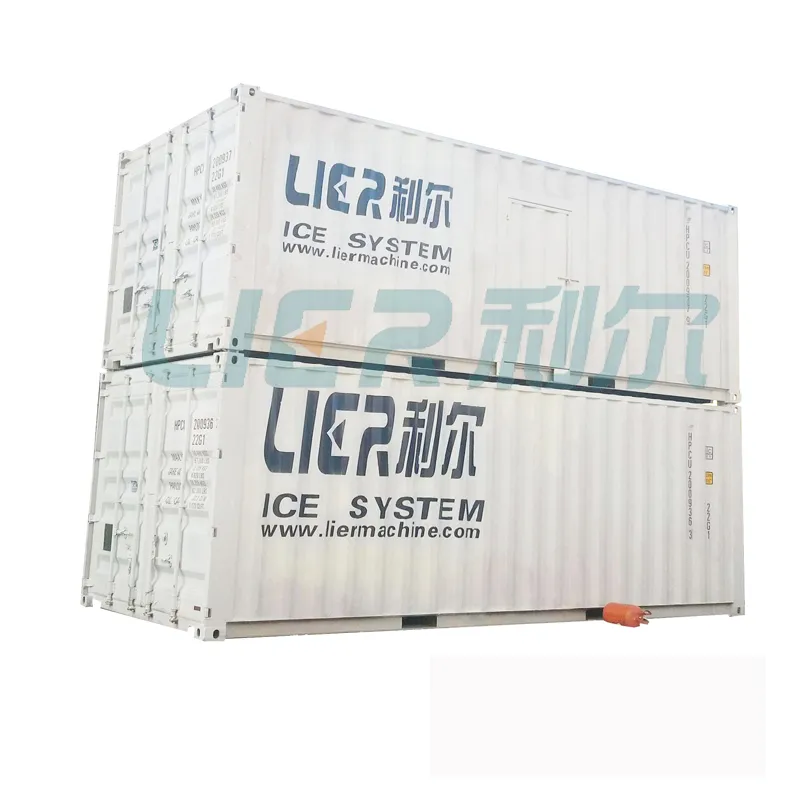
The ice rake system is installed in the storage container. Since flake ice can pile up and block sensors, the automatic rake levels the ice flakes. Full-time sensors detect the ice level and command the rake structure to move horizontally, ensuring a flat surface and continuous operation. The container maintains a temperature between 5ºC to 8ºC to keep ice dry and easy to transport.
| Model | Daily Output (kg/24h) | Ref. Capacity (kw) | Power Supply | Total Power (kw) | Refrigerant | Dimension (mm) | Weight (kg) |
|---|---|---|---|---|---|---|---|
| LR-1T | 1000 | 6 | 3P/380V/50HZ | 4.31 | R404A | 1310*970*880 | 227 |
| LR-5T | 5000 | 30 | 3P/380V/50HZ | 23.12 | R404A | 1750*1550*1600 | 765 |
| LR-10T | 10000 | 65 | 3P/380V/50HZ | 45.5 | R404A | 2530*1830*1680 | 1540 |
| LR-20T | 20000 | 130 | 3P/380V/50HZ | 75.8 | R22 | 3695*2090*2050 | 2860 |
| LR-30T | 30000 | 210 | 3P/380V/50HZ | 86 | R22 | 3880*2120*2400 | 3240 |
We provide comprehensive project guidance, including R&D support for non-standard models, installation guidance, and 24/7 technical backup.